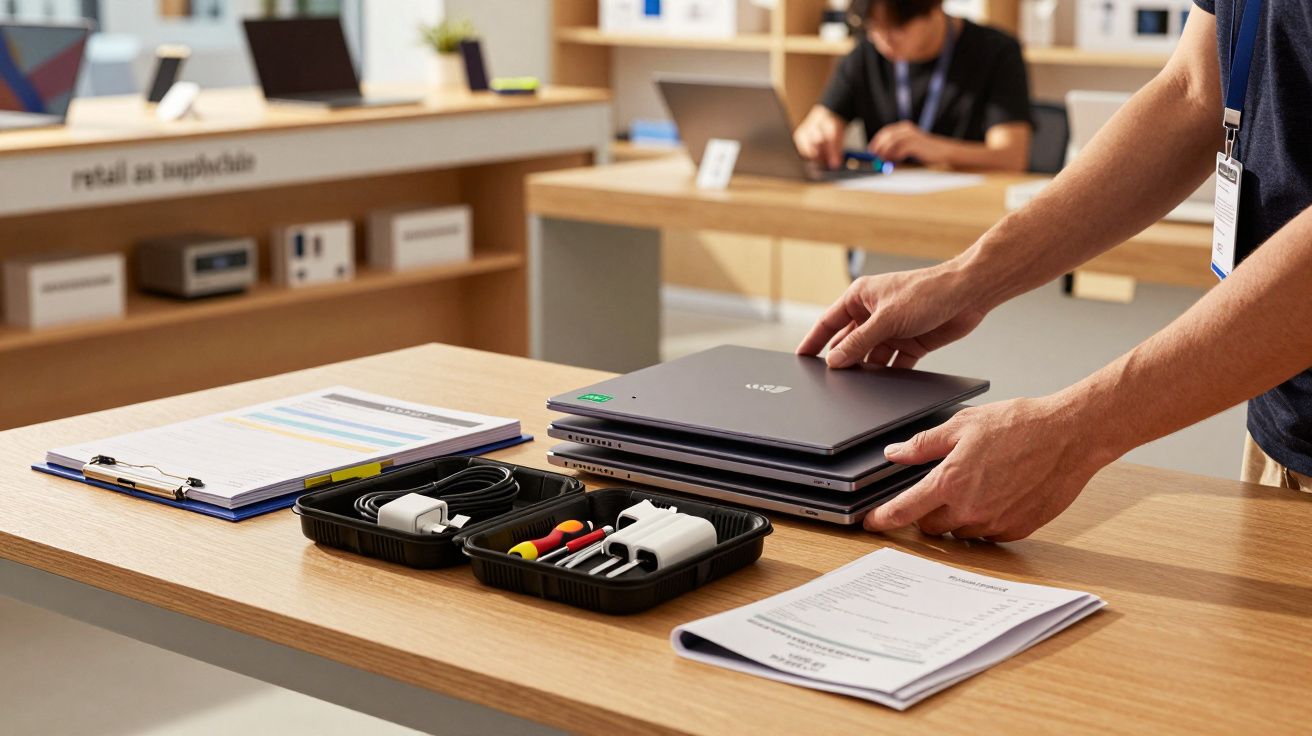
A lot of workplace tech used to be bought in the background: a laptop here, a monitor there, a replacement cable on a rushed lunch break. Currys is back on the shortlist for many UK professionals because it sits at the messy intersection of hybrid work, tighter budgets and a rising expectation that devices should be repaired, not binned - and, in this case, there’s no secondary brand driving the story, just the retailer itself.
What’s changed isn’t that Currys suddenly became “cool”. It’s that the daily pain points of IT, facilities and procurement have shifted towards speed, lifecycle control and predictable support, and Currys has quietly built services that map to those needs.
The “just get it done today” problem
Hybrid work has made hardware more distributed and more fragile. A keyboard failure isn’t an IT ticket in one building any more; it’s a productivity outage in someone’s spare room, and the fix needs to be fast.
Currys’ appeal here is blunt: it’s one of the few national players where you can combine online stock visibility with a physical footprint. For teams that can’t wait two days for a courier slot, “collect this afternoon” is suddenly a procurement feature, not a consumer convenience.
The new professional requirement is less “perfect standardisation” and more “minimal downtime with a paper trail”.
That shift shows up in the small stuff as much as the big stuff: power supplies, docks, webcams, headsets and replacement chargers. The items that used to be bought ad hoc now sit inside policies, because downtime costs more than the kit.
Professionals are treating consumer retail as a supply chain
In many organisations, the old model was a small set of approved suppliers and a lot of informal workarounds. The workaround was usually an employee buying something personally and expensing it, which sounds simple until you need VAT invoices, asset tags, warranty tracking and consistent specs.
Currys has been positioning itself as a bridge: consumer-style availability with more business-like account handling through its business-facing offer. That doesn’t replace traditional resellers for complex deployments, but it does cover the high-frequency needs that bog teams down.
Common use cases where professionals are reconsidering it:
- Break/fix replacements for laptops, monitors and peripherals
- Starter kits for joiners (laptop bag, mouse, headset, dock)
- Project spikes (temporary contractors, pop-up spaces, short leases)
- Standard accessory refreshes when a policy changes (e.g., webcam minimum spec)
The key is speed without chaos: being able to buy quickly while still keeping the finance and security boxes ticked.
Repair is becoming the new cost-saving lever
For years, “repair” was either a consumer hassle or a corporate RMA process that moved at the speed of a committee. Now, with device prices higher and sustainability reporting more real, repair has become a measurable business decision.
Currys’ repair and support proposition matters because it normalises repair in a way employees understand. If the cultural default becomes “get it repaired”, fewer devices drop out of the asset base early, and fewer emergency purchases hit the budget.
This is the same logic many households are learning with energy use: tiny habits don’t move the needle, but the right interventions do. Unplugging a phone charger saves pennies; fixing a failing laptop instead of replacing it can save hundreds, plus setup time, plus e-waste admin.
A practical way some teams are reframing it:
- If a device is out of warranty, a repair quote can still beat replacement once you include imaging time and downtime.
- If a device is in warranty, the value is often in quicker routing and clearer comms, not the cost of parts.
- If a device is end-of-life, the question becomes data handling and disposal, not just “does it power on”.
Energy, compliance, and the end of “random chargers everywhere”
The workplace has quietly become a nest of power bricks: USB-C chargers, docks, monitor supplies, spare adapters that never quite match. Individually they’re not huge draws, but operationally they create clutter, safety concerns and inconsistent user experience.
Professionals rethinking Currys often start with standardising the basics. Not because it’s glamorous, but because it reduces support noise.
What that looks like in practice:
- Moving teams to one or two approved USB‑C chargers (proper wattage, known brand)
- Replacing “mystery bricks” with labelled, consistent power supplies
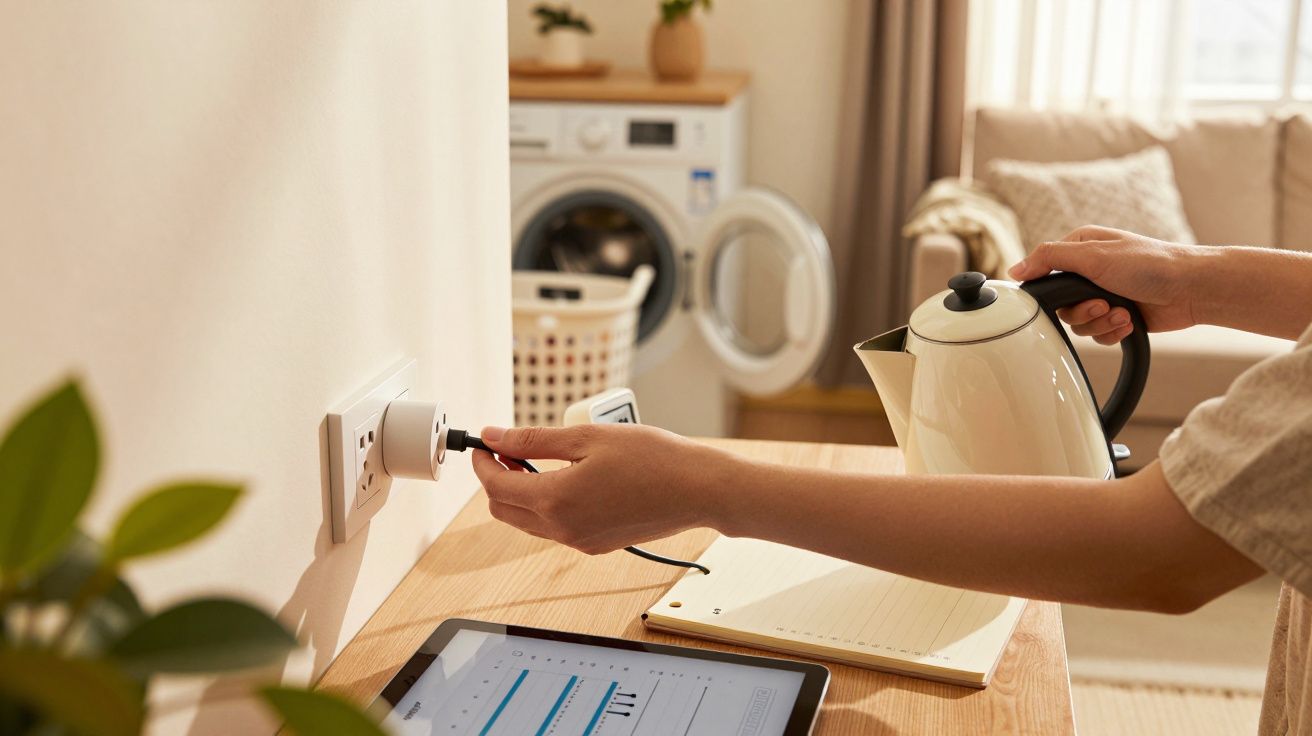
- Using switched extensions or smart plugs in meeting rooms to stop kit idling for weeks
This isn’t about pretending standby power is the biggest line on the bill. It’s about treating energy like clutter: fewer always-on boxes, fewer unknowns, fewer heat sources under desks, and fewer “it stopped working” tickets caused by cheap adapters.
The store experience is being used differently
Retailers have spent years redesigning around speed: shorter queues, more self-service, better stock systems. For professionals, that translates into predictable collection and less time spent “doing the errand”.
Currys stores aren’t warehouses, but they can act like local fulfilment points when time matters. The journey is often: reserve online, pick up quickly, back to work - not browsing aisles.
There’s also a human factor that still matters. When a device is urgent, being able to speak to someone about compatibility (dock + laptop + dual monitors, for example) can prevent a costly wrong purchase and a return cycle.
Where Currys fits - and where it doesn’t
Currys won’t replace an enterprise procurement framework for large-scale rollouts, complex networking, or heavily managed fleets. But it can reduce friction in the messy middle: the everyday equipment that keeps work moving.
Here’s a simple way teams are mapping it:
| Need | What “good” looks like | Why Currys gets considered |
|---|---|---|
| Fast replacement | Same-day/next-day availability | National stock + collection options |
| Lower lifecycle cost | Repair and reuse before replace | Repair/support routes are visible |
| Fewer support tickets | Standardised, compatible accessories | Easy sourcing of known models |
The hidden benefit is that it can shrink the gap between policy and reality. If the approved option is easy to obtain, people follow the process; if it’s painful, they improvise.
A practical checklist before you switch spend towards Currys
Before routing more purchases through any retailer, professionals tend to tighten the rules. The goal is speed with control.
- Define a shortlist of models (two laptops, two docks, two headsets) rather than “anything under £X”.
- Require VAT invoices and set a rule for who can buy, and how approvals work.
- Decide your repair threshold (e.g., repair if under a certain cost or if turnaround is under a certain time).
- Standardise chargers and cables, then buy spares deliberately instead of organically.
- Plan end-of-life: data wipe responsibility, recycling route, proof where needed.
The teams getting value aren’t treating Currys as a consumer splurge. They’re treating it as an operational lever: reduce downtime, reduce random purchasing, and stop replacing devices that could have been fixed.
The bigger reason: work is less centralised, so buying has to be as well
The deeper trend is that work no longer happens in one place, on one schedule, under one set of hands. That pushes organisations towards procurement options that behave more like a network than a single pipeline.
Currys is being reconsidered because it can plug into that networked reality: quick access, recognisable support paths, and a growing emphasis on keeping devices in service longer. In a world where “tomorrow” is often too late, that combination suddenly looks professional-grade.




Comments
No comments yet. Be the first to comment!
Leave a Comment