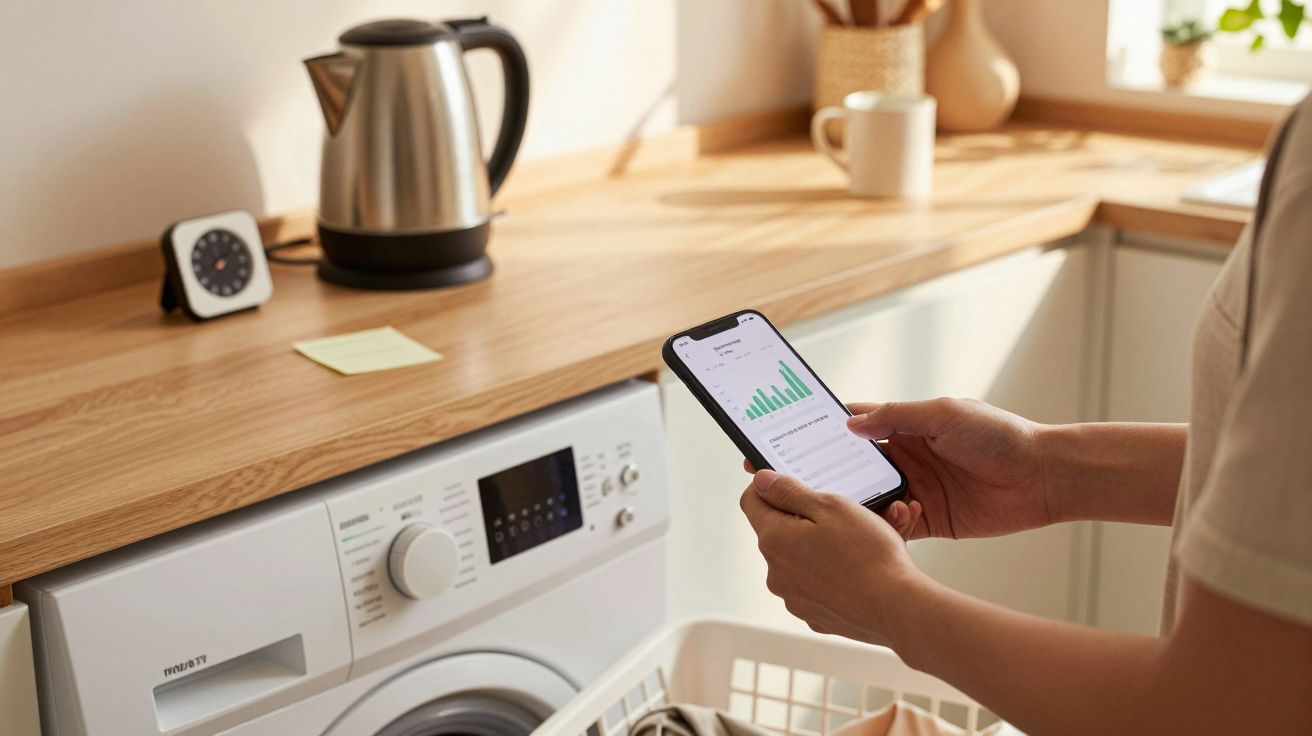
The kettle still goes on at 7am, the washing still needs doing, and dinner still lands on the table at roughly the same time. But for many households using octopus energy in the UK, those everyday moments are being nudged a little earlier, later, or broken into smaller chunks, helped along by the app and smart-meter data. Even the quiet placeholder `` is part of the story here: a reminder that you don’t need a big new gadget or a rival brand to change your routine, just a clearer picture of what power costs right now.
It matters because the savings are no longer coming from dramatic “live like it’s 1973” sacrifices. They’re coming from small, repeatable choices that fit into real life, then add up across a month of bills.
The small shift: people are starting to “shop” for cheaper hours
Octopus has trained customers to think in slots, not just in kilowatt-hours. With smart tariffs, time-of-use rates, and reward-style events, the question becomes: when are you using electricity, not only how much.
That mindset changes the same way a good supermarket offer changes a weekly shop. You don’t stop buying the essentials; you just start timing the purchase.
The new habit isn’t going without. It’s moving the heavy stuff to the hours that quietly cost less.
What’s driving the change this year
Part of it is straightforward: bills still feel high, and people are tired of guessing. Octopus customers also get unusually direct feedback, because half-hourly usage shows up quickly and makes cause-and-effect obvious.
A few specific nudges keep coming up in households that stick with it:
- Smart-meter visibility: seeing yesterday’s peaks makes it harder to ignore the pattern.
- Time-of-use tariffs: when rates vary, timing suddenly matters.
- Saving Sessions and rewards: small incentives make experimenting feel worth it.
- Electrification at home: EVs, heat pumps, and induction hobs turn timing into real money.
Habit 1: shifting “loud” appliances to quieter times
Most people don’t overhaul their whole day. They pick two or three chunky loads and move them first, because that’s where the win is.
The repeat offenders are familiar:
- Washing machine and tumble dryer
- Dishwasher
- Immersion heater (where it’s still used)
- EV charging
- Batch cooking (oven-heavy meals)
A common pattern is the “after dinner reset”. Instead of running the dishwasher at 7pm, people load it after tea and set it to start later. It feels like nothing, until you realise you’ve done it 25 times in a month.
A simple way to start without making life weird
Pick one appliance you run at least four times a week. Move it by 2–3 hours for seven days, then check whether your usage spikes have shifted. If it works, keep it; if it’s annoying, drop it and try a different one.
The point is repeatability. The best habit is the one you’ll still be doing in February, not the one you manage once in a burst of motivation.
Habit 2: treating the Octopus app like a weather forecast
People used to check energy once a quarter, when the bill arrived and the damage was already done. Now some households glance at the app the way they glance at the rain radar: quick, practical, no drama.
That changes behaviour in two quiet ways. First, it encourages “micro-decisions” (do we run the dryer now, or hang it until later?). Second, it turns energy into a shared household conversation, because everyone can see the same picture.
Here are the checks that seem to stick:
- Yesterday’s peak time: “What caused that spike?”
- Today’s plan: “When are we doing laundry?”
- Big loads coming up: “Can we batch them together?”
None of this is about perfection. It’s just replacing guesswork with a light touch of planning.
Habit 3: buying less energy instead of only buying cheaper energy
This is where “octopus energy shoppers” becomes literal. Some customers are using Octopus-linked offers, bundles, or the wider push towards smart tech to reduce the amount of power they need in the first place.
It’s rarely the glamorous stuff. It’s the boring upgrades that pay you back quietly:
- Draught-proofing strips and thicker curtains
- LED bulbs in the rooms used most
- Smart plugs to kill standby loads
- Lower flow shower heads (where hot water is a big cost)
- Sensible heating schedules (especially with heat pumps)
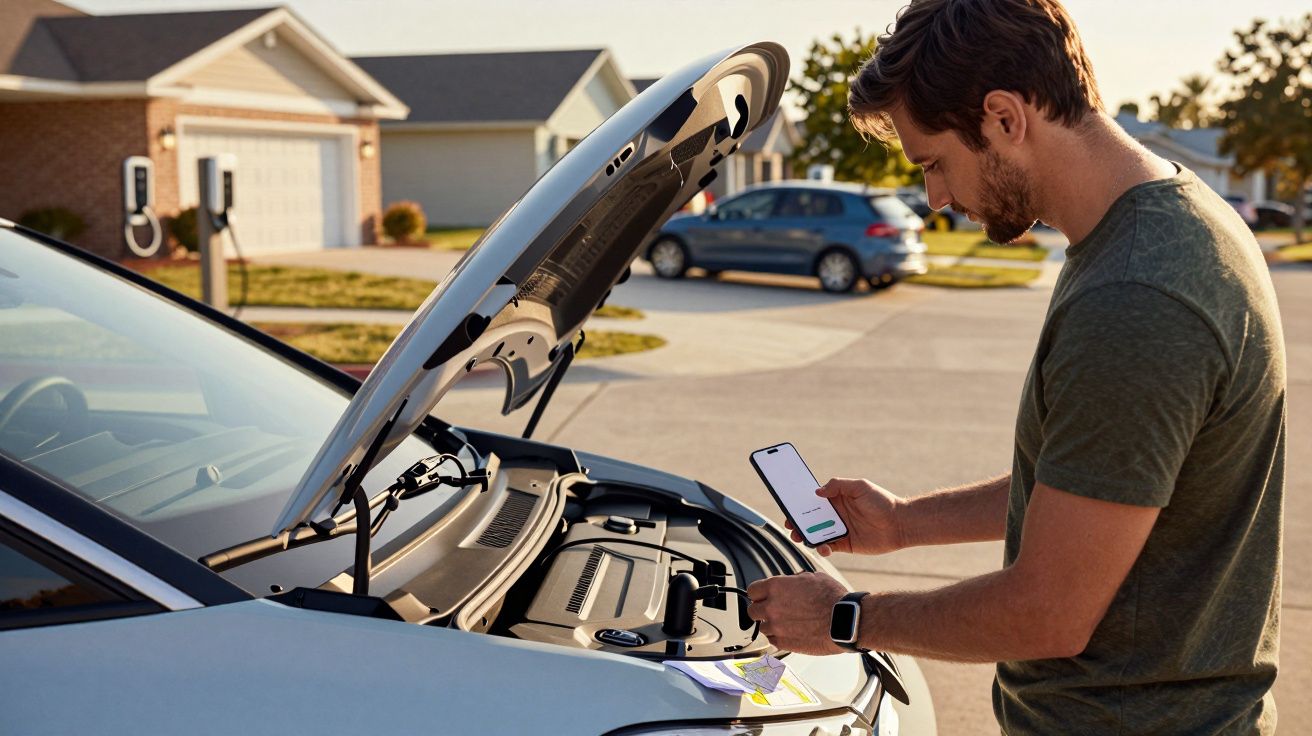
If you’ve got an EV or you’re considering a heat pump, the stakes rise. Timing and efficiency stop being marginal gains and start being the difference between “this feels manageable” and “why is the meter spinning like that?”
The trade-offs people are learning the hard way
There’s a reason these changes are happening quietly: not every tactic suits every home. Time-of-use pricing can be brilliant if you can shift demand, and frustrating if you can’t.
A few reality checks help:
- Not all tariffs reward the same behaviour. What works on one plan won’t necessarily work on another.
- Automation beats willpower. Timers, delayed starts, and schedules usually outlast motivation.
- Comfort still counts. If your routine becomes a constant negotiation, you’ll abandon it.
And if you’re trying to “win” at energy by chasing the perfect slot every day, it can become oddly stressful. The better target is consistency: a couple of changes you barely notice, repeated often.
The pattern that seems to stick
Households that keep saving tend to do the same three things: they shift one or two big loads, they check usage just enough to stay aware, and they improve efficiency bit by bit rather than waiting for a grand retrofit.
You could summarise it as: move what you can, measure what matters, and reduce what you need. It’s not loud, and it’s not a lifestyle makeover, but that’s exactly why it’s working.





Comments
No comments yet. Be the first to comment!
Leave a Comment