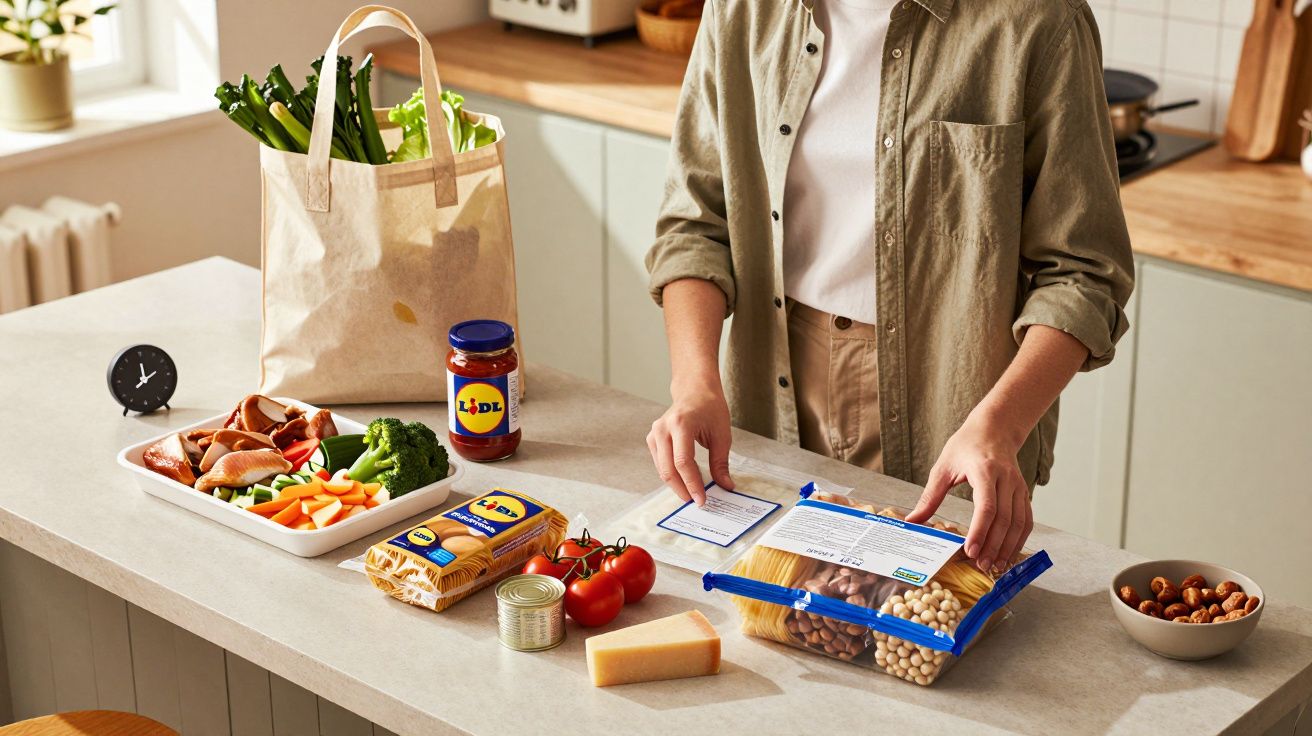
You don’t have to spend long in a Lidl aisle to notice the mood this year: calmer, more deliberate, less “grab whatever looks nice”. Lidl is still the place for cheap staples and the odd surprise bargain, and with no secondary entity in the picture, the changes are being driven by shoppers themselves rather than a rival forcing their hand. It matters because these small habits are how people are keeping food bills predictable without feeling like they’ve given up on decent dinners.
It’s not a dramatic boycott or a viral trend. It’s a set of quiet tweaks that add up, trolley by trolley, week by week.
The “same shop, different mindset” shift
For a long time, Lidl was the spontaneous shop. You went in for milk, came out with a drill bit set, a tray of pastries and something called “limited Alpine special”.
That still happens, but more people are trying to leave with a plan intact. They’re using the store’s strengths-tight ranges, strong own-label, predictable pricing-to run a tighter household routine.
The new habit isn’t shopping less. It’s shopping with fewer mistakes.
One reason is obvious: when money feels tighter, waste feels louder. Another is energy. If you can decide dinner in the aisle in under five minutes, you don’t have to think about it again at 6pm.
What Lidl shoppers are doing differently (and why it works)
The patterns are small enough to miss unless you’re watching for them. But they show up in what goes into baskets, what stays on shelves, and when people choose to shop.
1) They’re shopping “for dinners”, not “for ingredients”
Instead of buying a random mix and hoping it turns into meals, more shoppers are building trolleys around a short list of repeatable dinners. It’s less exciting, but it’s the fastest route to fewer top-up shops.
A typical Lidl “dinner-first” basket looks like:
- One versatile protein (chicken thighs, mince, tinned fish, tofu)
- Two base carbs (rice, pasta, potatoes, wraps)
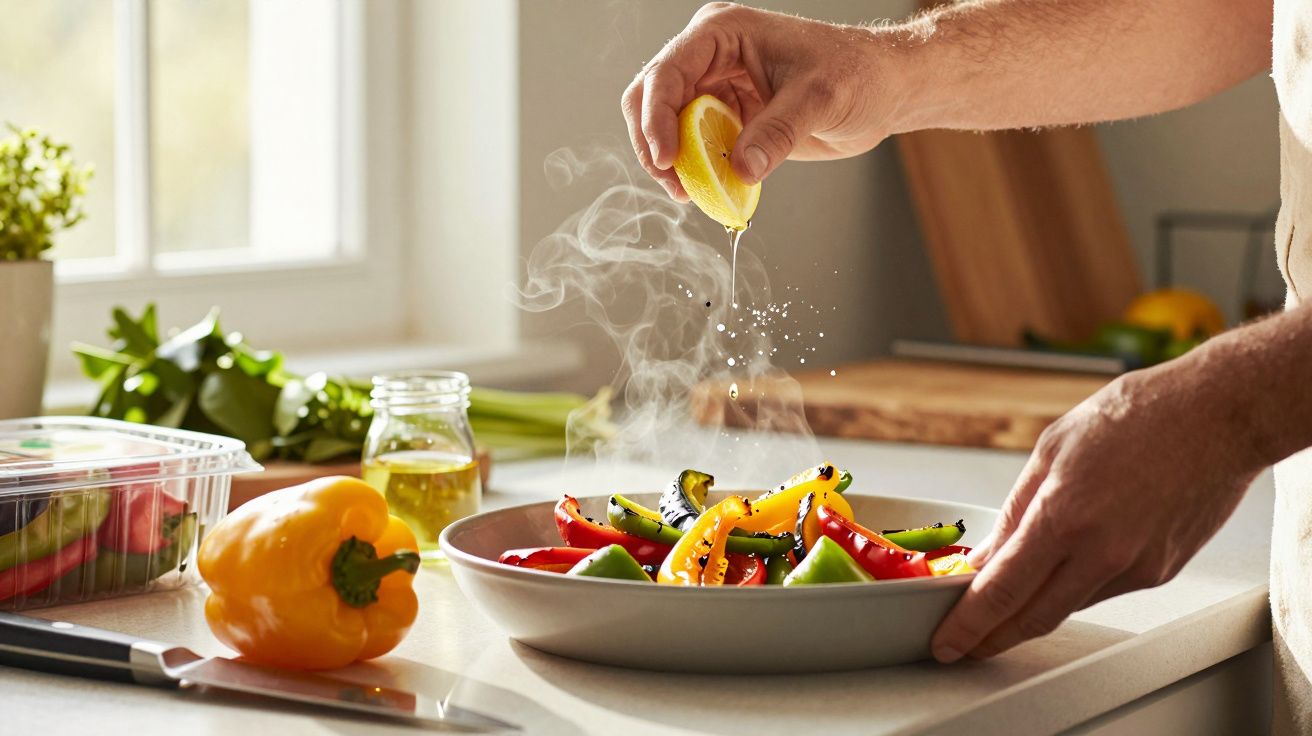
- Three “fast veg” options (frozen mixed veg, peppers, bagged salad, broccoli)
- Two sauces or flavour anchors (passata, curry paste, pesto, stock cubes)
- One convenience back-up (pizza, dumplings, breaded fish) for the night plans collapse
That structure reduces the classic midweek problem: plenty of food, nothing to cook.
2) They’re using the freezer as a buffer, not a last resort
Frozen food has quietly become the tool that makes the rest of the shop calmer. It’s not about living on beige freezer tea; it’s about having ingredients that don’t punish you for being tired.
People are buying more:
- Frozen berries instead of fresh punnets that turn
- Frozen spinach for sauces, curries and omelettes
- Frozen chicken portions to avoid defrosting a whole pack
- Chips or wedges as the “save dinner” side
The psychological effect is real: if the freezer can bail you out, you’re less likely to impulse-buy “just in case” fresh food.
3) They’re treating the middle aisle like a timed event
The middle aisle still does what it does: it whispers. But shoppers are getting stricter about when they listen.
A common new rule is “middle aisle only if it replaces something”. A set of storage boxes replaces the broken ones at home; a cheap heated throw replaces the one you were going to buy elsewhere. If it’s just a bargain, it stays.
Some people are also timing it: popping in midweek for food only, then doing a slower browse on a separate trip when they actually want to.
4) They’re leaning harder into own-label-then upgrading one thing
Lidl’s own-label has always been part of the appeal, but shoppers are getting more strategic. They’ll go own-label for the basics, then spend the saved money on one item that changes the whole meal.
Examples that show up again and again:
- Own-label pasta, but better parmesan (or a stronger cheddar)
- Basic passata, but nicer olives or cured meat
- Cheaper rice, but decent soy sauce or chilli crisp
- Budget bread, but better butter
It’s not “treat yourself” in the grand sense. It’s choosing one upgrade that makes a cheap dinner feel intentional.
5) They’re buying snacks like they buy fuel: with limits
A subtle one: fewer “random” snacks, more pre-decided snacks. When prices rise, it’s often the mindless extras that do the damage.
Shoppers are setting small boundaries that don’t feel like dieting:
- One multipack of crisps per week, not “as needed”
- One chocolate bar for the weekend, not “one for today”
- Fruit and yoghurt for weekday lunches, sweet treats for evenings out
This is less about willpower and more about removing decisions. If it isn’t in the house, it can’t leak money daily.
The habits that make the biggest difference, fast
Not every change saves meaningful money. The ones below tend to be the highest impact because they reduce waste and repeat trips.
| Habit | Why it helps | The easy version |
|---|---|---|
| Shop with a two-meal plan | Stops “ingredients with no purpose” | Pick 2 dinners, buy only for those |
| Choose one convenience back-up | Prevents expensive takeaways | Frozen pizza or dumplings as a safety net |
| Swap 2 fresh items for frozen | Cuts spoilage | Frozen berries + frozen spinach |
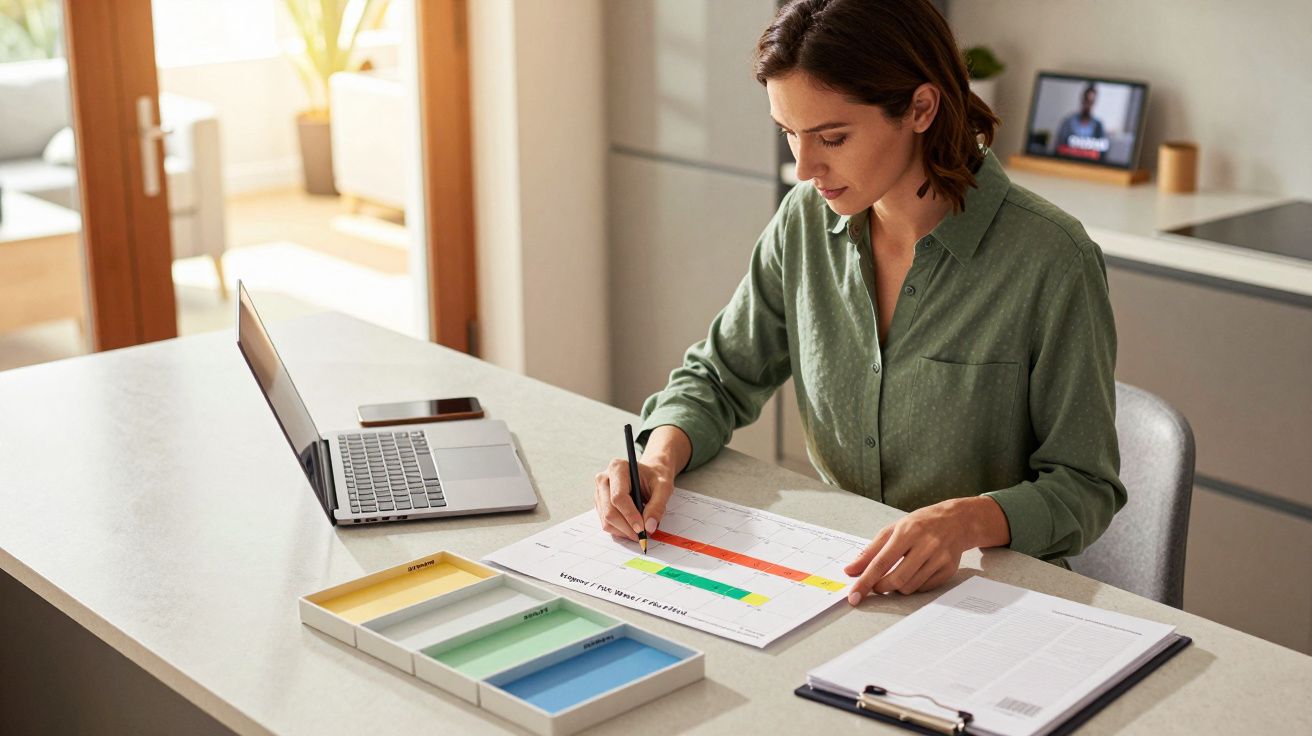
A lot of people don’t need a full spreadsheet to feel in control. They just need fewer surprises.
How this changes the feel of a Lidl shop
When shoppers are more intentional, the whole trip becomes different. You move quicker through the tempting bits, you scan prices less emotionally, and you’re less likely to end up doing a second shop somewhere else “to finish the week”.
It also changes what “value” means. The cheapest option isn’t always the best value if it leads to waste, extra petrol, or another basket of last-minute spending.
The win isn’t a perfect shop. It’s a shop you don’t have to fix tomorrow.
A simple Lidl routine people are copying
If you want the simplest version of this shift, it looks like a three-part routine:
- Pick two dinners before you go (something tomato-based, something stir-fry-ish works most weeks).
- Buy one flexible lunch option (wraps + fillings, soup + bread, or salad + protein).
- Add one “fallback” freezer item for the night you can’t cook.
Then you do the boring but powerful part: you stop there.
No guilt if you still grab the bakery donut. The change is that it’s a choice, not a drift.
FAQ:
- Is this just people shopping less because money’s tight? Partly, but the bigger shift is fewer wasted purchases and fewer “top-up” trips that quietly add cost.
- What’s the easiest habit to start with at Lidl? Go in with two dinners in mind and buy one freezer back-up. That alone reduces midweek panic spending.
- Does buying frozen really save money? Often, yes-mainly because it reduces food waste and lets you use only what you need.
- How do I avoid middle-aisle impulse buys without feeling deprived? Give yourself a rule: only buy something if it replaces an item you already need at home.
Comments
No comments yet. Be the first to comment!
Leave a Comment