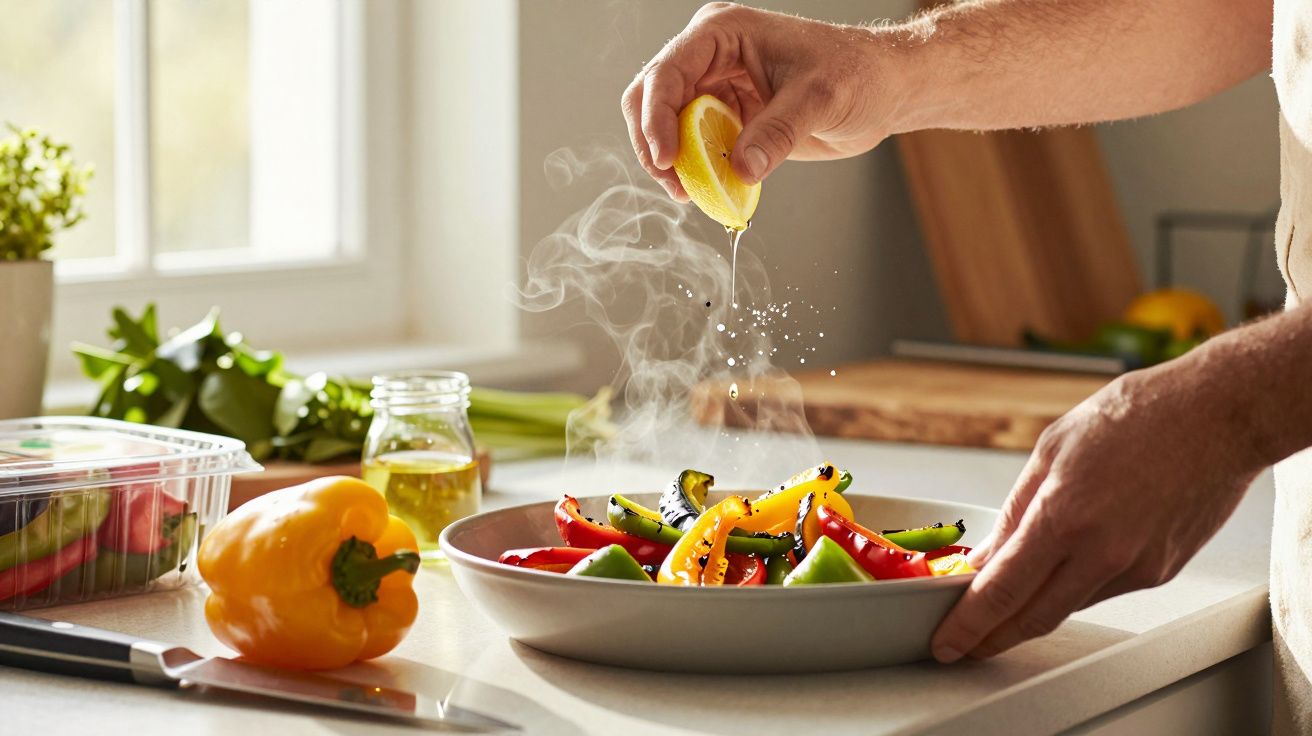
Peppers have always been the “easy veg” you slice into fajitas, roast for pasta, or throw into a traybake, and lately they’ve started behaving differently. That shift isn’t being driven by any secondary entity (none) or a single viral recipe; it’s coming from the way peppers are now grown, bred, packed and priced. If you’ve noticed they’re sometimes blander, softer, or suddenly expensive, you’re not imagining it.
The odd part is how fast it happened. One week your usual red pepper tastes sweet and crisp; the next, the same pack goes watery in the fridge and costs 30p more.
The quiet change: peppers got bred for survival, not flavour
For years, growers could rely on fairly stable greenhouse conditions and familiar varieties. But a cluster of pressures-plant disease risk, tighter crop controls, and the cost of heated glasshouses-has pushed producers towards new pepper varieties that prioritise reliability.
The big driver in commercial greenhouses has been viral disease pressure (especially tobamoviruses such as Tomato brown rugose fruit virus, which has disrupted parts of the tomato and pepper world). To keep harvests predictable, breeders have leaned into resistance and shelf-life traits: thicker walls in some types, different sugar development, and plants that set fruit more consistently under stress.
That’s why two peppers that look identical can cook completely differently. One collapses into silky sweetness under heat; the other stays oddly firm yet tastes flat.
What “changed” isn’t that peppers became worse overnight. It’s that the version of a pepper optimised for supply chains isn’t always the one optimised for your frying pan.
Why it suddenly matters: peppers sit right at the cost-and-waste line
Peppers are one of those ingredients people buy on autopilot. They’re also one of the first things to be binned when they turn soft and wrinkled, because they don’t feel “salvageable” in the way a tired onion does.
When a staple ingredient becomes less predictable, it quietly adds friction to the week. You end up buying backups, skipping recipes you normally trust, or spending more time rescuing food at the back of the crisper drawer.
The timing doesn’t help either. UK shoppers are feeling the knock-on effects of:
- seasonal switches in supply (Spain, the Netherlands, Morocco and beyond)
- energy costs in heated greenhouses
- labour and transport constraints
- packaging choices that trade convenience for condensation (and faster spoilage)
None of this is dramatic on its own. Together, it’s why peppers have become a “small problem” that shows up three times a week.
The three changes you can actually see at home
1) Softer peppers, faster
If your peppers are going bendy within a few days, it’s often a moisture-and-temperature story. Peppers hate being damp, and they hate being cold in the wrong way. A sealed plastic pack plus fridge condensation is basically a slow steam bath.
What to do instead:
- Buy loose peppers when you can (less trapped moisture).
- If they come wrapped, take them out at home and dry them.
- Store in the fridge veg drawer in a breathable bag or a tea towel.
- Keep them away from high-ethylene fruit (apples and bananas speed ripening).
2) Less sweetness, especially in reds
Sweetness in peppers isn’t just “red equals sweet”. It’s variety, sunlight, and how long the fruit is allowed to ripen. When supply chains prioritise durability, you can get peppers that look ripe but haven’t developed the same sugar and aroma.
A practical kitchen fix is to treat modern peppers like an ingredient that needs cooking, not just slicing. Heat concentrates flavour and drives off that watery note.
Your best rescue methods:
- blister under a hot grill, then peel and dress with olive oil and vinegar
- roast hard (220°C) until edges char
- cook down slowly with onions and a pinch of salt until jammy
3) More “samey” packs
Many supermarkets have streamlined lines: fewer varieties, more standardised sizing, more mixed packs designed around price points. That means you might be buying peppers selected for uniformity rather than the best eating quality that week.
If you want flavour, look for clues that sound old-fashioned but work:
- peppers that feel heavy for their size (more flesh, less air)
- taut, glossy skin (less dehydration)
- a fresh green stem (often a sign of recent harvest)
- a noticeable pepper smell (yes, really-good ones have aroma)
A quick guide: what to do depending on what you’re cooking
Peppers behave differently depending on whether you need crunch, sweetness, or body. The trick is matching the pepper to the job, and having a backup plan when it disappoints.
| If you want… | Choose… | Do this… |
|---|---|---|
| Crunch in salads | firm green or yellow | slice and salt lightly, then drain 5 mins |
| Sweetness in sauces | ripe red (heavy, aromatic) | roast or blister first, then blend |
| “Meaty” strips for stir-fries | medium-firm red/orange | cook hotter and faster; don’t overcrowd |
That tiny salting step for raw peppers matters more than people think. It pulls out excess water and gives you that cleaner, sweeter bite without needing sugar or fancy dressing.
The new “default” pepper technique that fixes most of this
If peppers are unreliable, a reliable method matters. This is the one that makes even bland peppers taste like you meant it.
The high-heat roast-and-dress method
- Heat the oven to 220°C (or as hot as yours comfortably goes).
- Slice peppers into wide strips, removing seeds and white pith.
- Toss with olive oil and a good pinch of salt. Add a little smoked paprika if you want depth.
- Roast 18–25 minutes, turning once, until edges are properly browned.
- Tip into a bowl and immediately add one of the following:
- red wine vinegar + garlic
- lemon + capers
- a spoon of jarred pesto
Let them sit five minutes before serving. That short rest is when the flavour rounds out and the texture relaxes.
Modern peppers often need either real heat or real time. This method gives you both, without turning dinner into a project.
What changed in shopping habits (and how to use it)
One of the biggest shifts is that peppers are no longer a guaranteed “raw snack veg”. They’re becoming more like tomatoes: still everyday, but variable, and best when you treat them with a little intention.
Try these low-effort switches:
- Stop buying peppers “just in case”. Buy for a plan: roast on day one, slice raw on day two if they’re still crisp.
- Freeze them deliberately. Slice, spread on a tray to freeze, then bag. Use straight from frozen in chilli, curries, pasta sauces.
- Use jarred roasted peppers strategically. They’re not cheating; they’re consistency. Add them when fresh peppers taste flat.
Small risks and common mistakes worth knowing
Peppers are safe and simple, but they do have a few tripwires:
- Don’t store wet peppers. Moisture speeds mould.
- Don’t crowd the pan. If you want browning, give them space. If you crowd, you steam.
- Char isn’t the enemy. Proper blistering is often the difference between “tastes of water” and “tastes of pepper”.
If a pepper is wrinkled but not mouldy, it’s usually still usable cooked. Treat it like an ingredient for roasting or a sauce, not a raw garnish.
Why this is all happening now, in one sentence
Peppers didn’t suddenly become “bad”; they became a more industrial, more weather- and energy-sensitive crop, and the version that travels well doesn’t always taste like the version you remember.
FAQ:
- Are peppers less nutritious than before? Generally no. The bigger change people notice is flavour and texture, not the basic nutrient profile.
- Should I keep peppers in the fridge or out? In the UK, the fridge veg drawer is usually best, but keep them dry and breathable (not sealed in a sweaty plastic pack).
- Why do my peppers go slimy so quickly? Condensation plus damage. Take them out of packaging, dry them, and avoid crushing them in a full drawer.
- Is it better to buy loose peppers? Often yes, because they’re less likely to be trapped in moisture, and you can pick the firmest ones.
- What’s the best way to rescue bland peppers? Roast them hard (high heat, browned edges), then dress with acid (vinegar or lemon) and salt.


Comments
No comments yet. Be the first to comment!
Leave a Comment