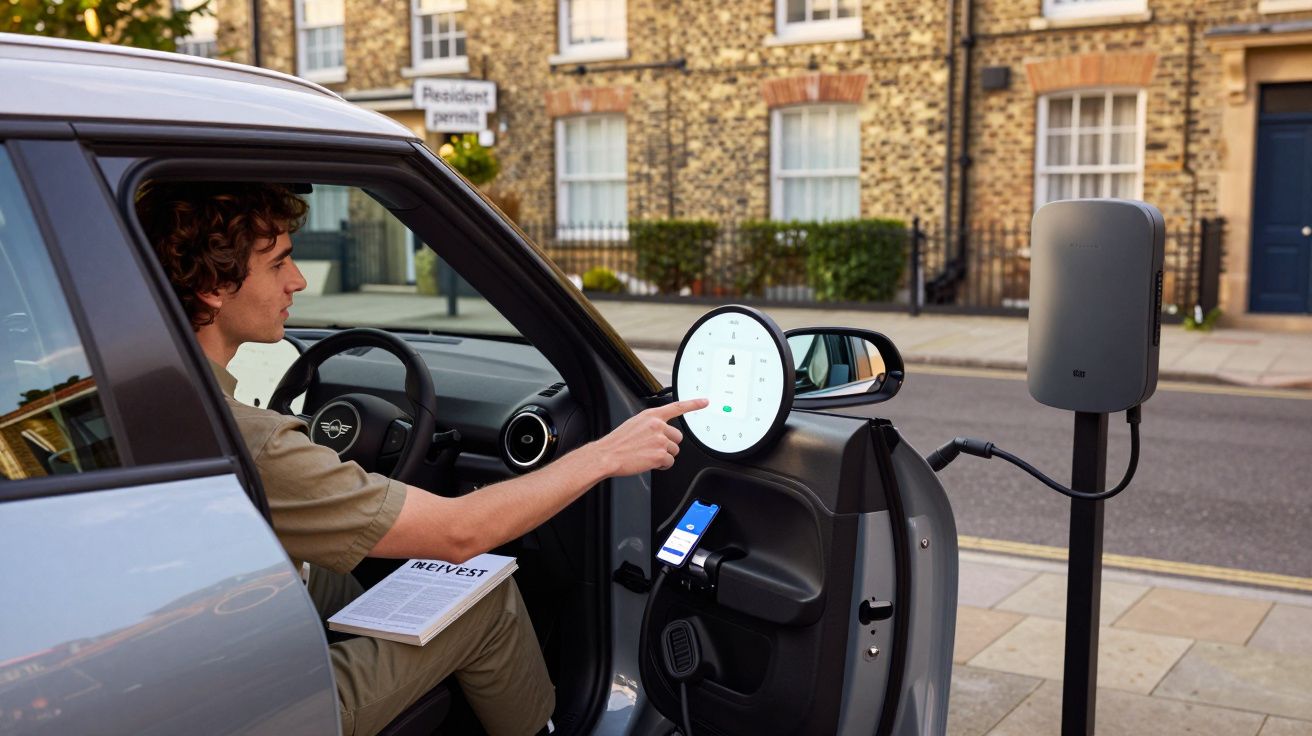
MINI and `` have been part of everyday UK driving for two decades: the small premium car you see squeezing into tight bays, darting through London, and showing up on every second new-driver insurance quote. What changed is that MINI is no longer mainly a “small car with personality” story - it’s become a test case for where mainstream premium motoring is heading. That shift matters because it affects price, running costs, where your car is built, and how much of it is now controlled by software.
If you haven’t paid attention since the last cheeky hatchback advert, you’re not alone. The updates didn’t arrive as one big announcement; they landed as a new line-up, a new cabin, and a quiet change in how MINI expects you to own and use the car.
The change you notice first: MINI stopped being “tiny” in practice
MINI still trades on compactness, but the range has grown up - literally. Even the cars that look familiar on the outside now sit in a market where safety rules, batteries, and customer expectations push everything wider, heavier, and more expensive.
That matters because MINI’s old magic trick was simple: you paid more than a Fiesta, but you got something genuinely small, nimble, and easy to live with in dense places. The new reality is closer to “small-ish premium”, competing as much with compact crossovers and entry-level EVs as with superminis.
What the size shift changes day-to-day:
- Parking and visibility: better cameras and sensors help, but you feel the extra bulk in tight streets.
- Ride and refinement: generally calmer and more grown-up, sometimes less “go-kart” than fans expect.
- Family practicality: more viable as an only car, which is exactly what MINI is now chasing.
MINI’s biggest change isn’t a badge or a headline feature. It’s the fact the brand is optimising for the main-car buyer, not the second-car romantic.
The change you feel later: MINI has turned into a software-led car
The newest MINIs make a clear bet: drivers will accept fewer physical controls if the digital experience feels fast, modern, and coherent. This is not unique to MINI, but the brand’s identity used to be deeply tactile - toggle switches, simple dials, and a cockpit-like feel that made even a slow commute feel playful.
Now the centre of gravity is the interface. That’s where the arguments begin.
One screen to run the cabin
The modern MINI interior pushes almost everything through a central display, leaning into a clean dashboard and a “living room” vibe. It looks fresh, and it’s easy to show off to passengers. It also changes the driving experience in two ways that owners notice over time:
- You interact more, not less. When climate, driving settings, and media live behind menus, you tap and swipe more often.
- The car ages differently. A great screen feels brilliant in year one; by year five, you care about updates, responsiveness, and whether the UI still feels current.
The upside is that MINI can improve things after purchase. The downside is that the car’s “feel” becomes partly dependent on software support, not just engineering.
Subscriptions and “features on demand” creep into normal ownership
MINI sits under the BMW umbrella, and the industry direction is clear: more features are becoming unlockable, upgradable, or bundled into packages that can change over time. Even when the headline price stays stable, the shape of the cost can move from “buy it once” to “keep paying if you want everything switched on”.
For buyers, the practical questions are no longer just horsepower and trim. They’re these:
- What functions are included permanently, and what are time-limited?
- Will the next owner get the same features if you sell the car?
- If the car relies on connected services, what happens when they’re discontinued?
This is where MINI “suddenly matters” beyond its own fanbase. It’s a recognisable brand showing ordinary drivers what software-defined ownership feels like in real life.
The supply-chain shift hiding in plain sight
The other big change is less visible from the kerb: MINI’s production footprint and sourcing have evolved, especially around electric models. For UK buyers, that has two immediate impacts.
First, availability and pricing can be influenced by global manufacturing capacity, shipping, and currency swings in ways that weren’t as obvious when your default assumption was “European-built small car”.
Second, politics and policy now reach the showroom more directly: rules of origin, tariff risks, and “where is it made?” questions have become part of dinner-table car talk, particularly for EVs and fleet buyers.
A simple way to think about the current MINI world is that it’s no longer one neat product story. It’s a range split by drivetrain, platform, and build strategy.
| MINI model (current direction) | Powertrain focus | Typical build footprint (varies by market) |
|---|---|---|
| Cooper (hatch) | Petrol + electric | Mixed: electric production has involved China; petrol remains European-built |
| Countryman | Petrol/hybrid + electric | European build (commonly associated with Germany) |
| Aceman | Electric | Electric-focused production has involved China |
(Exact build location can vary by version and destination market, so it’s worth checking the VIN/build plate on any specific order.)
Why it matters in the UK right now
MINI’s changes would be interesting at any time. They’re urgent in the UK because three trends are colliding: urban driving restrictions, household budget pressure, and the rapid normalisation of EVs.
1) The “small premium car” price point has shifted
MINI used to feel like a splurge that was still within reach. The market now pushes new cars upwards, and MINI sits firmly in a territory where buyers cross-shop:
- nearly-new German premium hatches,
- well-specced mainstream crossovers,
- and a growing list of capable EVs with aggressive finance deals.
So the question becomes less “Do you like MINI?” and more “Is this MINI worth this monthly payment compared with everything else?”
2) EV running costs are real - but the home-charging gap is decisive
A MINI EV can make huge sense if you can charge at home or reliably at work. Without that, public charging prices can erase much of the advantage, and the convenience hit is bigger in a smaller car that often serves city life.
The practical checklist most new MINI buyers now run (even subconsciously):
- Can I charge overnight, or will I be queueing at rapid chargers?
- Is my driving mostly short trips where EVs shine, or motorway miles where efficiency matters more?
- Am I buying for 3 years (finance/lease) or 7+ years (long-term ownership)?
3) Used values and “old MINI” desirability are being reshuffled
When a brand pivots hard into screens and electrification, it tends to pull the used market in two directions at once.
- Some buyers chase the newest tech-heavy versions.
- Others actively seek the last of the “analogue-feeling” MINIs: simpler cabins, fewer paywalled features, more physical controls.
That matters if you’re deciding whether to keep an older MINI, upgrade now, or wait. The car you already own may become more emotionally distinctive as the range modernises.
The quiet story here is identity: MINI is moving from “character first” to “platform and policy first”, and the brand is trying to keep the charm alive on top.
What to do if you’re shopping (or already own one)
You don’t need a strong opinion about screens or EVs to make a good decision. You just need to buy the right MINI for your use, not the one the badge suggests you “should” want.
A quick, practical approach:
- Test drive for interface fatigue. Spend five minutes adjusting heating, music, navigation, and driver aids. If it irritates you on day one, it won’t improve on day 100.
- Treat charging as a lifestyle constraint, not a feature. If home charging isn’t realistic, price public charging into your monthly cost honestly.
- Ask directly about subscriptions and connectivity. Get the dealer to list what’s included permanently and what depends on a paid plan.
- If you love “old MINI feel”, buy with intention. The market may increasingly split between “new tech MINI” and “classic-feeling MINI”.
MINI hasn’t “ruined” itself, and it hasn’t stayed the same. It has become a very clear signal of where small premium cars are going: bigger, more software-driven, more global, and more shaped by how you pay and connect - not just how you drive.
FAQ:
- Is MINI still a good city car? Yes, but in a different way. It’s still compact compared with many SUVs, yet newer versions are less “tiny” than older MINIs, so you’ll rely more on sensors and cameras than pure smallness.
- Do the newest MINIs feel less sporty? Many drivers find them more refined and stable, but sometimes less raw and “go-kart” than earlier generations. A test drive on your actual roads is the only reliable answer.
- Should I go electric with MINI? If you can charge at home or work and mostly do short-to-medium trips, it can be a great fit. If you’ll depend on public charging for most miles, the cost and hassle can outweigh the benefits.
- Are subscriptions something I really need to worry about? Enough to ask the question. Clarify what features are permanent, what depends on connected services, and what happens when you sell the car on.





Comments
No comments yet. Be the first to comment!
Leave a Comment