You notice it in small, slightly annoying ways: the name you can’t pull up, the new app that takes three tries to feel “natural”, the habit you swear you’ve tried to change for years. Brain plasticity and sleep sit underneath all of that - how your brain rewires with practice, stress, rest and repetition - and it matters this year because the science has shifted from “plasticity fades with age” to “plasticity is gated, and you can influence the gate”.
The change isn’t a miracle claim that you can become a concert pianist in a weekend. It’s a clearer, more practical map of when the brain is ready to rewire, what blocks it, and how ordinary routines can either help or sabotage the process.
The new view: plasticity didn’t vanish - it got harder to access
For years, the public story went like this: children’s brains are plastic, adult brains are set. Researchers never fully believed that, but the nuance didn’t travel well outside the lab.
What’s come into sharper focus recently is that adult learning is less about “no plasticity” and more about stronger stabilisers. Your brain is constantly balancing two jobs that fight each other:
- Change (learn the new route, the new skill, the new coping strategy)
- Stability (keep yesterday’s memories intact, stop everything from feeling noisy)
This year’s work has made those stabilisers feel less mysterious. Instead of a single “plasticity dial”, the brain seems to use several gates - and they can open in specific conditions.
Think of plasticity as a door with multiple locks, not a single switch that flips off after childhood.
What actually changed in the science (in plain terms)
A few themes have been building for a while, but they landed more clearly this year because different fields started saying the same thing in different languages.
1) “Critical periods” look more like states than deadlines
Classic neuroscience talked about critical periods as childhood-only windows (for vision, language sounds, etc.). Newer work reframes this: adults can sometimes return to critical-period-like states, briefly, in particular circuits.
That doesn’t mean you can redo childhood. It means the adult brain can, under the right mix of chemistry + experience, become temporarily more willing to revise old wiring - especially in targeted networks.
2) Plasticity is local, not global
A helpful correction: you don’t “boost plasticity” everywhere at once. The brain tends to loosen and tighten specific networks depending on what you’re doing and what you’re paying attention to.
That’s why vague advice (“learn new things”) often disappoints. The newer message is more specific: plasticity follows training signals - and it punishes scattergun effort.
3) Support cells and “brain immune” systems moved to centre stage
Neurons still get the headlines, but more recent research keeps pointing at the supporting cast:
- Myelin (the insulation around nerve fibres) can speed up signals and also “lock in” patterns.
- Microglia and astrocytes (support and immune-like cells) help prune, tag, and stabilise synapses.
- Extracellular structures (often described as nets or scaffolding around neurons) can act like braces that make change harder until conditions are right.
The practical shift is this: rewiring isn’t only a matter of willpower. It’s also biology you can influence indirectly through sleep, stress load, inflammation, and pacing.
Why this matters in real life right now
Most people don’t care about synapses. They care about the moments when their brain doesn’t behave the way they want.
This updated view of plasticity matters because it changes the strategy from “try harder” to “train smarter”:
- If you’re burnt out, more hours can produce less rewiring.
- If you’re well-rested, shorter, sharper practice can go further.
- If you never revisit the skill, the brain will treat it as noise and down-rank it.
It also explains why some interventions (therapy, physiotherapy, language learning, rehabilitation after injury) can suddenly accelerate after a plateau: the gate opens, and good training finally “sticks”.
The three levers that keep showing up
You don’t need a lab to use the themes. You need to understand the levers that repeatedly appear in both research and clinical practice.
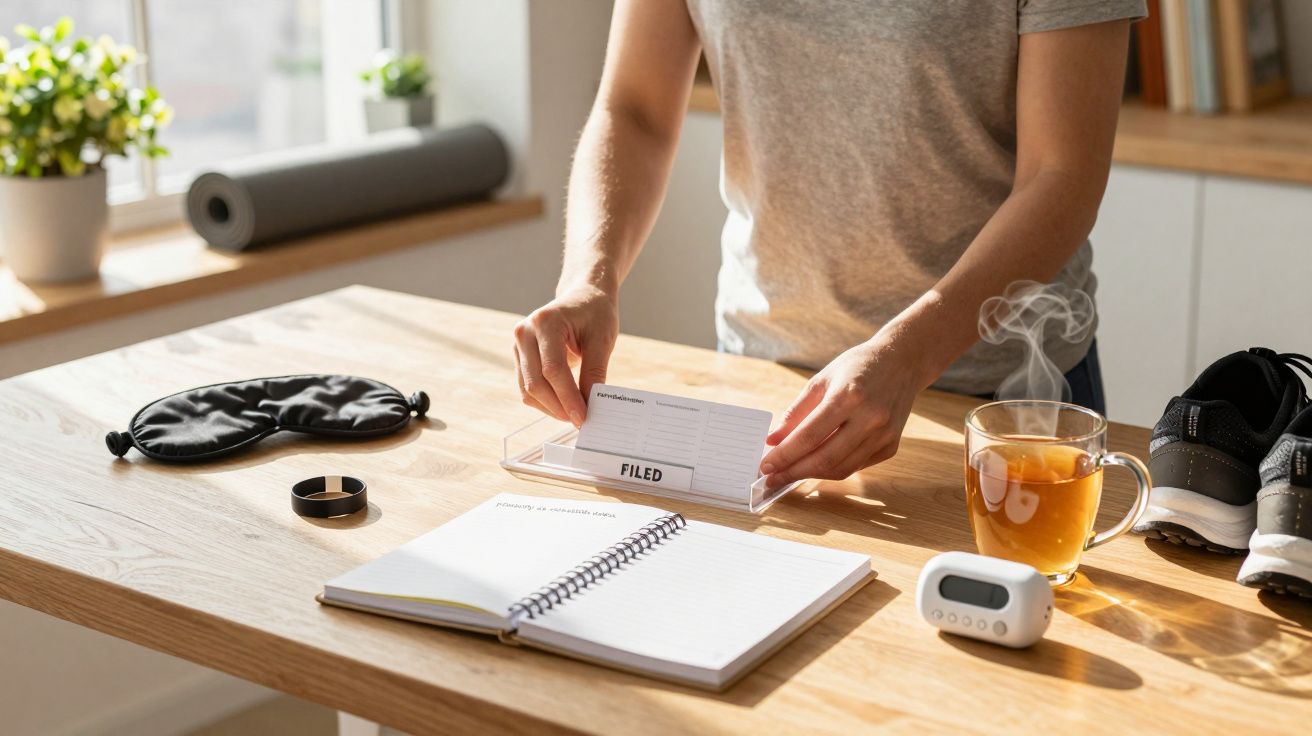
Lever 1: Sleep is not rest - it’s the filing system
Sleep doesn’t just protect mood. It helps decide what gets stored, what gets trimmed, and what gets strengthened.
Two patterns matter most for learning:
- You learn during practice, but a lot of stabilising happens after, especially overnight.
- All-nighters can create the illusion of productivity while undermining consolidation.
If you’re trying to build a new habit or skill this year, the boring advice is the powerful one: protect consistent sleep more than you extend practice time.
Lever 2: Stress isn’t always bad - chronic stress is
A short spike of stress can sharpen focus. Chronic stress tends to narrow your behavioural options and push the brain towards “known safe patterns”, even when those patterns are unhelpful.
That helps explain why behaviour change often fails in high-pressure seasons. Your brain is doing its job: prioritising predictability.
Practical implication: if you’re attempting something that requires rewiring (changing eating patterns, reducing alcohol, managing anxiety spirals), build the plan for the bad days, not the ideal week.
Lever 3: Timing beats intensity
Many people still think the answer is more repetition, more grit, more grind. The newer framing puts more weight on when you practise and how you space it.
A simple rule that fits the evidence: short, repeated exposures with recovery beat marathon sessions for most skills.
A simple “plasticity-friendly” week (that doesn’t require a life overhaul)
If you want something usable, start here. Treat it like a five-day experiment, not a new identity.
- Pick one target: one skill or one behaviour change. Not three.
- Do 20–30 minutes a day, ideally at a consistent time.
- Make it slightly difficult: easy repetition tells the brain it already knows this.
- Stop before you’re wrecked: leave a little in the tank.
- Sleep like it matters: regular bedtime and wake time most days.
- Add light movement: a walk after practice can help some people feel clearer and less stressed.
The goal is not maximal effort. The goal is a repeatable signal the brain can justify keeping.
What to watch for (signs you’re actually rewiring)
Progress in plasticity-heavy goals often feels oddly non-linear. Look for these quieter indicators:
- You make the same mistake, then suddenly stop making it.
- The task feels less “loud” - it takes fewer mental steps.
- You can do it when tired or distracted (a sign it’s becoming automatic).
- You recover faster after a lapse (important for habits).
If you’re only measuring by perfect streaks, you can miss the real change.
New tools people are talking about - and the cautions
Part of the reason plasticity is in the conversation this year is that more tools claim to “enhance” it: brain stimulation clinics, nootropics, microdosing chatter, app-based cognitive training, even consumer neurotech.
Some of these approaches are promising in specific contexts, but the boring truth holds: experience and training still do the heavy lifting. A tool that increases malleability without good guidance can just make you better at your existing patterns - including anxious ones.
A few sensible cautions:
- Be wary of anyone promising global “rewiring” without mentioning sleep, stress, or practice.
- Treat supplements with scepticism, especially stacks and high doses.
- If you have a neurological or psychiatric condition, or you’re considering stimulation/psychedelic-related therapies, do it with proper medical oversight and reputable services.
The takeaway: plasticity is a skill you can support
The most useful shift isn’t a new hack. It’s the idea that plasticity is conditional.
You can’t force your brain to change on demand, but you can make change more likely by controlling the basics: one target, spaced practice, manageable stress, and enough sleep for the brain to actually store what you worked on. That’s why it matters this year - because the science is giving people permission to stop blaming themselves and start designing conditions that let learning stick.



Comments
No comments yet. Be the first to comment!
Leave a Comment