
Vauxhall looks wonderfully straightforward when you’re choosing a runabout for commuting, school runs or a first car: clear model names, familiar shapes, and deals that seem to line up neatly on the forecourt. The catch lives in the details most of us skim - and it’s easier to miss because `` feels like it should mean “nothing extra to think about”. If you’re buying on monthly payments, or switching to an electric model, those “small” details can shift the real cost more than the badge ever will.
I learnt this the boring way: by comparing two near-identical cars, both “cheap per month”, and finding that the difference wasn’t the engine or the colour. It was the structure of the deal, the bundled tech, and what you quietly agree to keep paying for after the test drive glow fades.
The appeal: Vauxhall is designed to feel low-friction
Vauxhall’s modern line-up is built to reduce decision fatigue. You pick a size (Corsa/Astra/Grandland), then a trim, then you’re done. The cabins are tidy, the infotainment is familiar, and the marketing focuses on “what you’ll pay each month” rather than a spreadsheet of engineering claims.
That simplicity is real - up to a point. It’s also a strategy.
When a brand makes the buying journey feel easy, consumers stop interrogating the parts that don’t look like “car” costs: the finance maths, the insurance group, the charging ecosystem, the connected-services renewal. Those costs arrive later, as separate decisions, when you’re already committed.
Vauxhall can be a genuinely sensible choice. The mistake is assuming “sensible” automatically means “transparent”.
The catch most buyers miss: the price is often a stack, not a number
A Vauxhall deal typically isn’t one price. It’s a stack of incentives and assumptions that only holds if you behave in a particular way.
Here’s what commonly makes a “simple” offer less simple in real life:
- Deposit contributions that distort comparisons. A dealer deposit contribution can make the monthly figure look dramatically lower than a rival’s, even if the underlying finance cost is higher.
- APR that bites when rates are high. In a higher-rate environment, a “normal” APR turns the last year of a PCP into pure interest and fees you barely notice month to month.
- Mileage and condition rules that punish real families. PCP agreements are built around tidy mileage and tidy cars. Child seats, kerbed wheels and a dog who treats the boot as a den are all expensive at handback time.
- Trim jumps that smuggle in profit. The “one you came for” often lacks the comfort/tech you assumed was standard, so you step up a trim or add a pack.
None of this is unique to Vauxhall. The point is that Vauxhall’s brand promise of simplicity makes people less likely to challenge it.
The monthly figure is not the cost
If you remember one thing, make it this: the monthly number is a story. The total cost is the ending.
A “cheap” PCP can be made cheap by:
- increasing the deposit (yours, or the manufacturer’s),
- shrinking the mileage allowance,
- inflating the optional final payment (the balloon),
- nudging you into add-ons rolled into finance.
By the time you’ve matched like-for-like terms across brands, the “obvious bargain” sometimes becomes merely average - and occasionally worse.
The modern add-on that quietly changes the deal: connected services
The second catch is subtler because it doesn’t feel like money at first. It feels like features.
Many newer cars (including Vauxhall models) ship with app-based functions: remote locking, vehicle location, trip logs, live traffic, online voice features, and sometimes enhanced navigation. They’re brilliant during the free trial period, and oddly absent once it ends.
The pattern is predictable:
- You try the car with everything enabled.
- You build habits around it (pre-heating, route planning, “where did I park?”).
- The renewal arrives, and the car becomes slightly less “yours” if you don’t pay.
Some buyers shrug and go without. Others pay because the feature has become part of how they use the car - especially EV owners who rely on pre-conditioning and charge planning in winter.
Subscriptions don’t have to be evil to be annoying. Their power is that you only understand the value once you’ve already adapted your life to them.
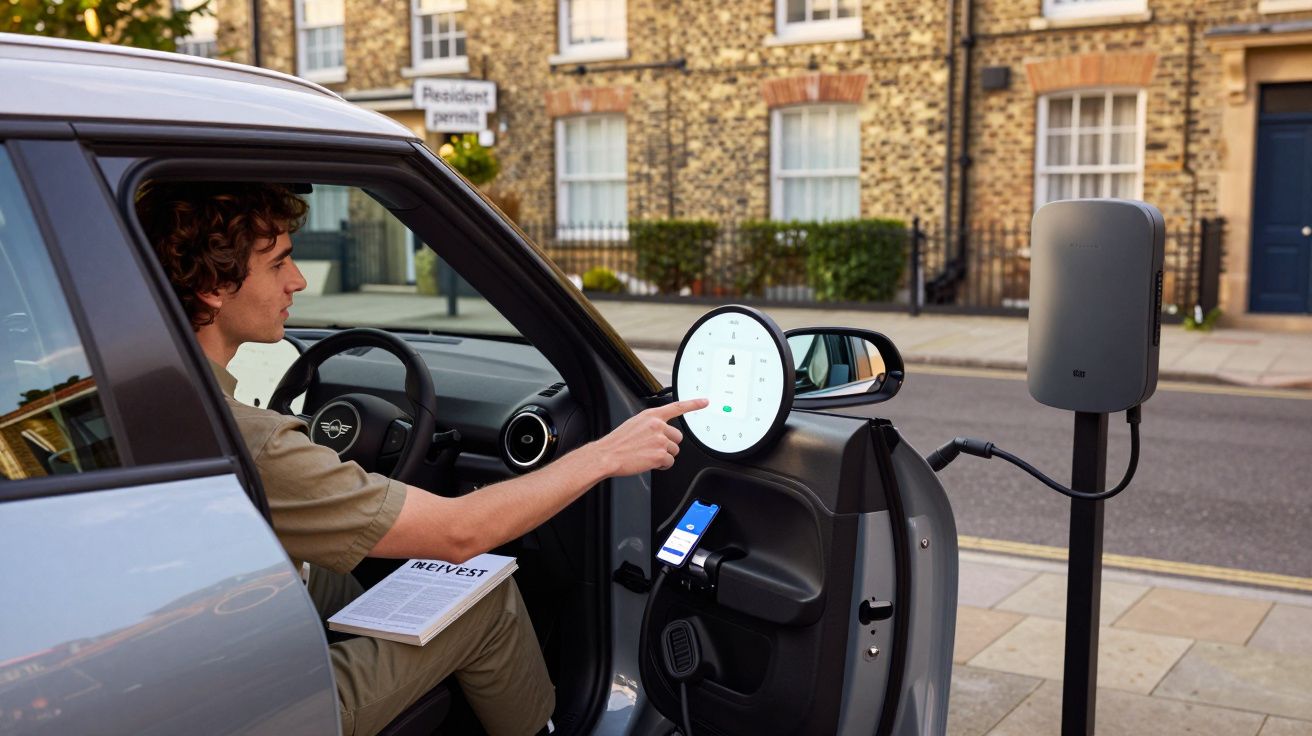
Electric Vauxhalls: the “simple” choice comes with a charging reality check
Vauxhall’s electric models can be an excellent practical fit, particularly if you mostly do local miles. But EV costs are lopsided: the car can be cheap to run if your charging is cheap.
The trap is assuming “EV = cheaper fuel” without pricing your actual charging mix.
- Home charging (best case): Often the cheapest per mile, especially on an off-peak tariff.
- Public rapid charging (worst case): Convenient, but can be expensive enough to erase the savings versus petrol for some drivers.
- Workplace charging (wild card): Sometimes great value, sometimes limited, sometimes disappears if you change jobs.
If you can’t reliably charge at home (or somewhere genuinely cheap), the running-cost story becomes far less predictable. The car is still simple; the infrastructure isn’t.
The one-minute test that prevents months of regret
Before you commit to an electric Vauxhall, ask yourself:
- Where will I charge most weeks?
- What will it cost per kWh there, not in adverts?
- What percentage of my charging will be rapid?
If you can’t answer those three, you’re not buying a car yet - you’re buying a hope.
A quick “real cost” checklist (the bits to price properly)
Most people do a careful comparison on fuel type and monthly payment, then wing everything else. Flip that around: price the hidden stuff first, because it’s where the surprises live.
| What to check | Why it matters | What to do |
|---|---|---|
| Finance terms (APR, mileage, balloon) | Changes total cost more than trim | Compare deals on identical term/miles |
| Insurance group and quotes | Can dwarf small monthly savings | Get quotes before you sign anything |
| Tech packs + post-trial services | “Standard” features may not be standard | Ask what renews, when, and for how much |
Also worth doing, especially on used or nearly-new:
- Tyre size and replacement cost. Bigger wheels look great and can cost noticeably more every time you replace tyres.
- Driver aids calibration. Windscreen replacement and sensor recalibration can be pricier on cars packed with cameras and radars.
- Servicing plan vs pay-as-you-go. Sometimes good value, sometimes just tidy budgeting with a margin built in.
How to buy a Vauxhall without falling into the “simple” trap
You don’t need to become a finance expert. You just need a slightly stricter script than the average showroom conversation.
- Force a like-for-like comparison. Same deposit, same term, same miles, and ask for the total payable. If someone won’t provide it clearly, that’s your answer.
- Decide what you’ll do at the end of the PCP before you start. Keep it, hand it back, or refinance the balloon - each path has a different cost profile.
- Treat option packs as part of the car, not “extras”. If you want heated seats, advanced driver aids, or upgraded infotainment, price the trim that includes them and stop pretending you’ll “add it later”.
- For EVs: price your charging like a bill, not a vibe. Work out a rough monthly kWh need, then apply your real home/public rates.
The goal isn’t to make the purchase complicated. It’s to make the cost honest.
The bottom line
Vauxhall’s biggest strength is that it makes everyday motoring feel manageable. The catch is that modern car buying isn’t one decision any more: it’s finance, insurance, software, and (for EVs) energy.
If you treat the sticker price or monthly figure as the truth, you’ll miss the bit that matters. If you treat the “simple” deal as a stack and check the layers, Vauxhall can be exactly what it looks like: a sensible car at a sensible cost.
FAQ:
- Is Vauxhall more expensive to run than other mainstream brands? Not inherently. The running cost is usually driven more by your finance terms, insurance, tyres, and (for EVs) charging prices than by the badge.
- What’s the single biggest “gotcha” on a Vauxhall PCP deal? The combination of mileage limits and the final balloon payment. Both can make a deal feel cheap now but costly later if your driving patterns change.
- Do I need to pay for connected services to use the car properly? No, the car works without them. The issue is convenience: if you get used to app features during a trial period, you may feel pushed into renewing to keep your routines.
- Are electric Vauxhalls only worth it if I can charge at home? They can still work without home charging, but the savings become less reliable. If most of your charging will be rapid public charging, do the maths first.





Comments
No comments yet. Be the first to comment!
Leave a Comment