
You can be standing in your own kitchen, phone in hand, telling yourself you’ll “just check one thing”, and then twenty minutes disappears. Habit loops and dopamine show up in moments like that, in the most ordinary places: the commute, the sofa, the office kettle run. It matters because the struggle often gets mislabelled as laziness, when it’s really a predictable bit of brain wiring you can design around.
Most people think habits are hard because you “want the wrong thing”. The more surprising reason is that habit loops feel harder than they should because, to your brain, they don’t register as a decision you can debate-they register as a fast, safety-first shortcut that reduces uncertainty.
The bit nobody tells you: habit loops are an energy-saving system, not a moral test
A habit loop isn’t just “bad behaviour on repeat”. It’s a three-part pattern-cue, routine, reward-that your brain automates to save effort when attention is limited.
That automation is why it feels unfair. You can genuinely care about the long-term goal and still get pulled into the short-term script, especially when you’re tired, stressed, hungry, or overstimulated.
If a habit fires quickly, it’s usually because it’s efficient, not because it’s meaningful.
The surprising reason it feels so hard: you’re fighting prediction, not temptation
We tend to blame dopamine as if it’s a “pleasure chemical” pushing you towards the fun thing. In practice, dopamine is heavily tied to anticipation and prediction: your brain learns, “When X happens, Y usually follows,” and it primes you to complete the sequence.
That means changing a habit isn’t only about resisting the reward. It’s about disrupting a prediction your brain has come to trust.
Why this creates that “I did it before I noticed” feeling
Three things stack the odds against you:
- Speed beats intention. Habit routines run faster than conscious thought, particularly in familiar environments (same chair, same time, same app).
- Uncertainty feels expensive. The new behaviour might be better, but it’s less rehearsed, so it feels effortful and slightly risky.
- Variable rewards hook attention. Refreshing, scrolling, snacking, checking messages-these are often unpredictable. That unpredictability is sticky because the next hit might be the good one.
So the difficulty isn’t simply “wanting it too much”. It’s your brain trying to close a loop it believes is the most efficient way to get back to neutral.
The cue is usually the real problem (and it’s rarely what you think)
People hunt for deep motivations, but most loops are triggered by plain cues you can spot in a week. Common ones include time, location, emotion, and a preceding action.
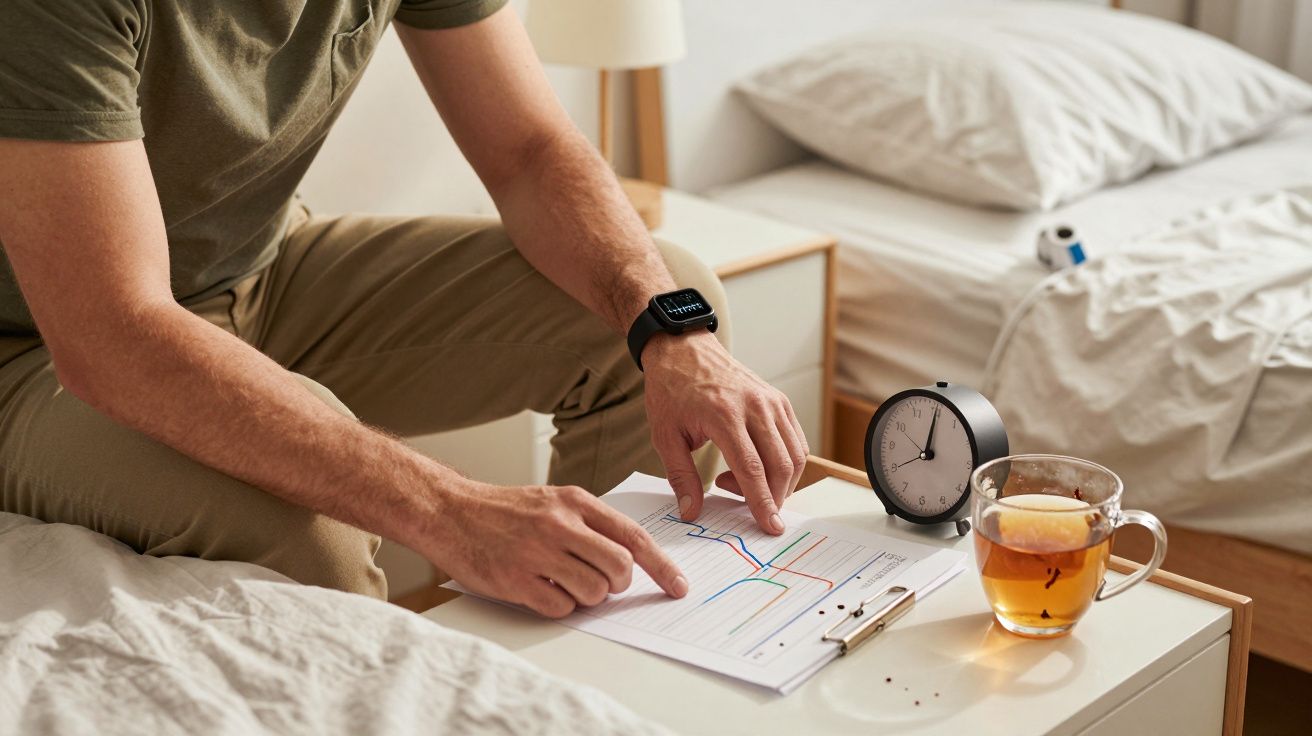
Try this quick cue audit for two days. When the habit happens, write down:
- Where are you? (desk, bed, kitchen doorway)
- What time is it? (mid-morning slump, post-dinner)
- What are you feeling? (bored, anxious, flat, rushed)
- What happened immediately before? (email sent, meeting ended, kettle on)
Patterns appear fast. And once you can predict the cue, you can intervene earlier-before the routine fully launches.
What actually works: keep the cue, swap the routine, protect the reward
Trying to delete a habit outright often fails because the need underneath it still exists. The brain doesn’t just want the biscuit or the scroll; it wants relief, stimulation, or a reset.
A more reliable approach is: same cue, new routine, similar reward.
| Part of the loop | What to change | Simple example |
|---|---|---|
| Cue | Make it harder to trigger | Charge phone outside the bedroom |
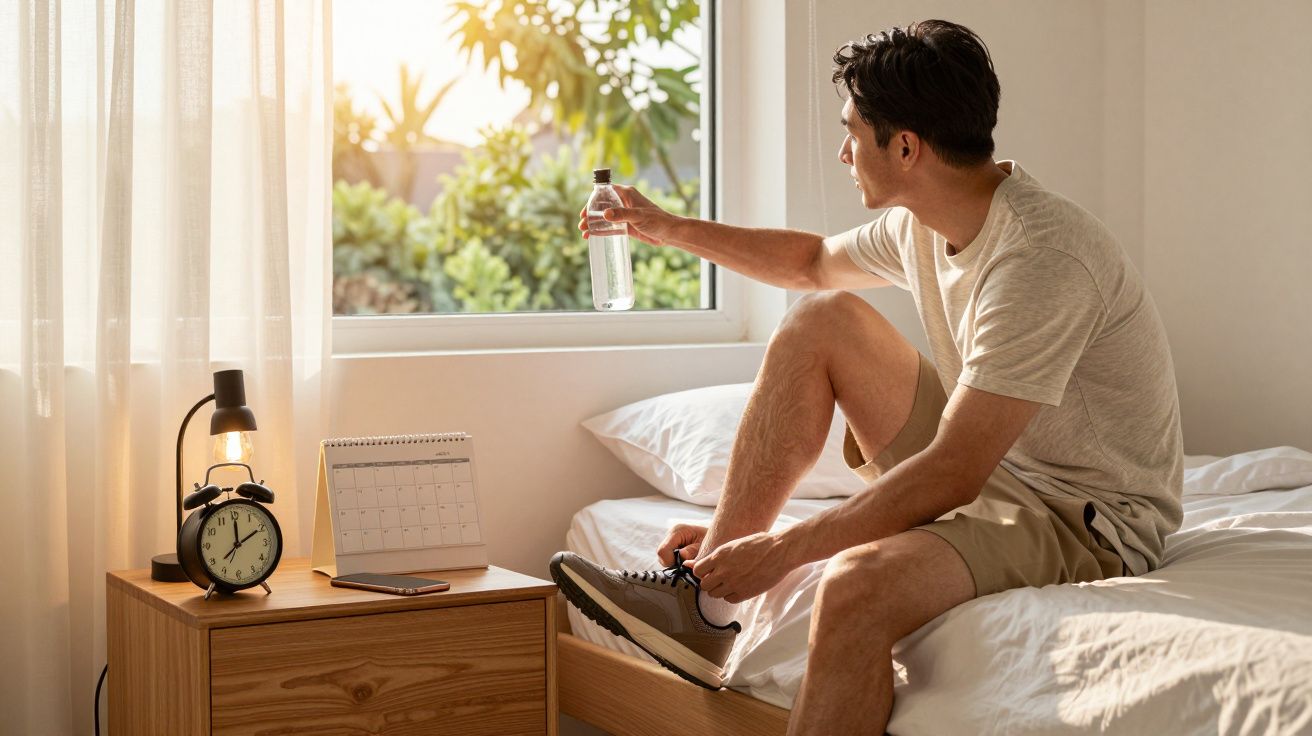
| Routine | Make the alternative easier | Put trainers by the door for a 5-minute walk |
| Reward | Make it immediate and obvious | Tea + podcast only after the walk |
The “friction” rule that makes this feel easier overnight
Friction is boring, but it’s powerful. Add a tiny barrier to the unwanted routine and remove a tiny barrier from the desired one.
- Log out of the app you mindlessly open.
- Put snacks in an opaque tub on a high shelf, and keep fruit visible.
- Keep the book on the sofa and the remote in a drawer.
- Set your work document to open on start-up, not your inbox.
You’re not trying to become a different person. You’re trying to make the old loop slightly inconvenient and the new loop slightly automatic.
A small reset you can run this week (without “starting a new life”)
Pick one habit loop. Don’t try to fix your entire routine at once; that’s how you end up negotiating with yourself at 11pm.
- Day 1: Identify the cue. Track it twice without changing anything.
- Day 2: Choose a replacement routine. It must be small enough to do on your worst day.
- Day 3: Define the reward on purpose. If the habit gives relief, pick an alternative that gives relief fast (stretch, shower, 2-minute tidy, voice note to a friend).
- Days 4–7: Rehearse in the same context. Same time, same place, same cue-new routine.
The goal isn’t perfection. It’s to teach your brain, “When this cue happens, this is also a valid way to close the loop.”
Why relapse feels personal (and why it isn’t)
Old loops don’t disappear on command. They stay available, especially when you’re stressed, underslept, or thrown into a familiar setting.
That’s not failure. It’s your brain reaching for the most rehearsed script under pressure, the same way you revert to your strongest habits when you’re late or overwhelmed. The win is noticing sooner, recovering faster, and making the better loop easier to restart.
FAQ:
- Can I break a habit with willpower alone? Sometimes, but it’s unreliable. Willpower fluctuates; changing cues and friction works even when you’re tired.
- Is dopamine the reason I’m “addicted” to my phone? Dopamine is part of the learning and anticipation system, not a simple pleasure button. Many apps exploit variable rewards and easy cues, which makes the loop feel automatic.
- How long does it take to change a habit loop? It varies by person and behaviour. Focus less on a deadline and more on repetitions in the same cue context; that’s what teaches the new pattern.
- What if the habit is caused by stress or anxiety? Then the reward you’re seeking is often relief. Swap in a routine that lowers arousal quickly (walk, breathing, brief tidy, talking to someone) and consider professional support if it’s persistent or severe.



Comments
No comments yet. Be the first to comment!
Leave a Comment