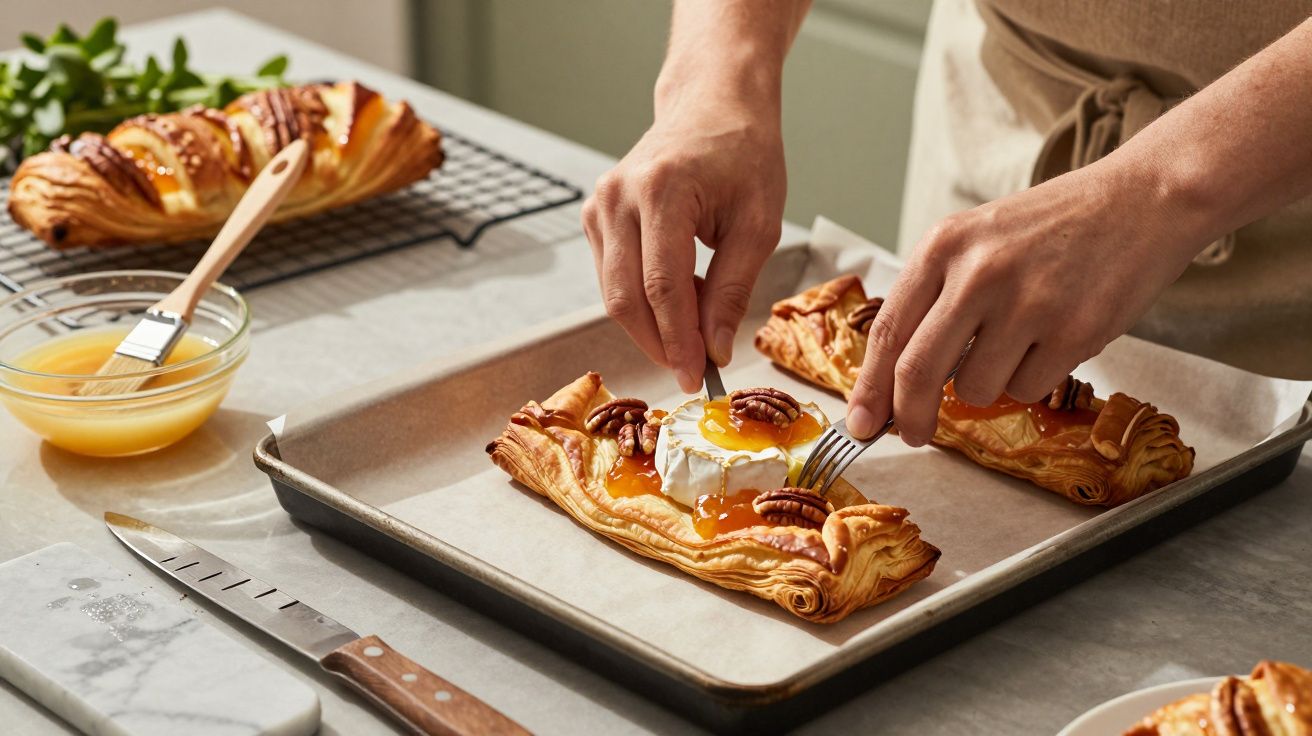
Rain on the windows, kettle on, oven warming up in the background. Ready-rolled puff pastry is becoming the not-so-secret weapon of home baking again, and TikTok is part of the reason it’s suddenly everywhere. It matters because it turns “I can’t be bothered” into something that still looks like you planned dessert (or dinner) on purpose.
What’s changing isn’t skill level so much as mindset. People are baking more often, but choosing recipes that feel forgiving: fewer bowls, fewer specialist ingredients, and a big payoff when you pull the tray out.
The quiet shift: “assembled” bakes over from-scratch projects
For years, the dominant vibe was sourdough starters, laminated doughs, and weekend-long projects. Right now, the trend is swinging towards bakes you build rather than bakes you engineer: store-bought pastry, clever fillings, and one reliable bake time.
It’s not about cutting corners in a shameful way. It’s about choosing the parts that actually taste good when you buy them (butter puff pastry is a prime example), then spending your effort on flavour and presentation.
The new flex isn’t complexity. It’s knowing which steps to skip without anyone noticing.
Why puff pastry is the centre of it
Puff pastry behaves like a shortcut with standards. It gives height, crunch, and that glossy “bakery” finish with minimal technique, which is exactly what people want for weekday hosting and low-effort weekends.
It also sits neatly between sweet and savoury. One sheet can become a jam tart, a cheesy twist, a mushroom parcel, or a whole centrepiece bake that people cut into at the table.
The “three things” formula people keep repeating
Most of the viral bakes follow the same skeleton:
- A base: puff pastry (or occasionally filo).
- A filling: cheese, fruit, chocolate, spiced nuts, or a jarred spread.
- A finish: egg wash + something on top (sugar, seeds, herbs).
Once you see it, you start spotting the pattern everywhere: in reels, in supermarket recipe cards, and in what people bring to potlucks.
The easiest showpiece: wrapped, baked, and served in the middle
If you want to understand the trend in one dish, it’s the wrapped parcel bake. The concept is simple: put something soft and rich in the centre, seal it in pastry, bake until golden, then let everyone tear and share.
It works with a wheel of cheese, a block of spiced fruit, or even a thick layer of chocolate spread folded into a rough strudel. The “wow” comes from the moment you cut it open, not from any technical finesse.
A reliable template (sweet or savoury)
- Centre: camembert or brie; or thick jam with sliced fruit; or Nutella with chopped hazelnuts
- Extra flavour: honey, herbs, citrus zest, chilli flakes, cinnamon
- Texture: nuts, seeds, crushed biscuits, flaky salt
- Gloss: beaten egg (or milk for a softer shine)
The key is restraint. Overfilling feels generous, but it’s what causes leaks, soggy bottoms, and that burnt-sugar puddle on the tray.
How to get “bakery-style” results without extra work
A few small habits make these quick bakes look far more polished than they are.
1) Chill before you bake
If your filling is warm or runny, a short chill firms everything up and buys the pastry time to puff before the centre turns molten. Even 10–15 minutes in the fridge can be the difference between a neat parcel and a split seam.
2) Seal like you mean it
Press seams together with your fingertips, then press again with a fork if you’re nervous. Puff pastry is forgiving, but hot fillings aren’t.
3) Colour is your timer
Most people underbake puff pastry because they’re watching minutes rather than colour. You’re looking for a deep golden finish, not pale beige, especially underneath.
If it looks done, give it two more minutes - puff pastry often needs that final push.
What people are baking on repeat (and why it spreads fast)
These are the bakes that suit the moment: warm, shareable, and made from supermarket ingredients that don’t require planning.
- Cheese-in-pastry centrepieces for Friday nights and low-key hosting
- Rough galettes (free-form tarts) with fruit or tomatoes, because they don’t demand a tin
- Palmiers and twists using one sheet of pastry and whatever’s in the cupboard
- “Two-ingredient” tarts where the real trick is just egg wash + sugar
They film well, too. A golden crust, a crack of a knife, and a soft centre does a lot of work in ten seconds.
Flavour combinations that keep popping up
| Twist | Best with | The vibe |
|---|---|---|
| Apple + honey + thyme | Brie/camembert parcels | cosy, savoury-sweet |
| Fig jam + rosemary | Tartlets or twists | festive, grown-up |
| Lemon zest + sugar | Palmiers | sharp, bright, simple |
If you’re cooking for a crowd, aim for flavours people recognise quickly. The trend leans comforting, not challenging.
The small risks (and how to avoid ruining the tray)
Quick bakes fail in predictable ways, which is good news: you can dodge most of them.
- Soggy bottoms: bake on a hot tray, don’t overload with wet fruit, and let it go properly golden.
- Leaking centres: chill the filling, seal seams well, and leave a border when spreading anything jammy.
- Burnt tops: if your oven runs hot, cover loosely with foil for the last few minutes rather than pulling it early.
And always rest parcels for a few minutes before serving. Molten fillings hold heat, and the texture settles into something scoopable rather than explosive.
Why this trend feels bigger than a recipe
Home baking right now isn’t trying to impress a judge. It’s trying to make ordinary evenings feel warmer, with minimal washing-up and a realistic chance of success.
Ready-rolled puff pastry fits that perfectly: it’s accessible, it’s fast, and it still delivers that unmistakable “I made something” moment when you put it on the table.
FAQ:
- Can I use cheaper puff pastry? Yes, but all-butter puff pastry typically browns better and tastes cleaner. If you use budget pastry, bake until properly golden to avoid a waxy finish.
- Do I always need egg wash? No, but it helps with colour and shine. Milk works for gentler browning; a thin syrup (for sweet bakes) adds gloss after baking.
- How do I stop fruit fillings making pastry wet? Use less filling than you think, keep slices thin, and add a dry layer (ground nuts, crushed biscuits, or a light dusting of flour) between pastry and fruit.


Comments
No comments yet. Be the first to comment!
Leave a Comment