You know that moment. The dark bedroom, the clock blinking 2.47am, the familiar shuffle towards the bathroom. You tell yourself it’s the extra glass of water, or just “getting older”. Then it happens again at 4.15am. By breakfast you feel like you’ve slept in slices.
I sat in on a GP consultation where a woman in her forties mentioned, almost as an afterthought, that she was up twice a night to the loo. She brushed it off with a joke about a small bladder. The GP didn’t. He asked when it started, what she drank in the evening, whether she woke thirsty, how much she peed in the day. A few questions later, he ordered blood tests “just to check the sugar story”. Her urine dipstick already whispered the answer.
More and more clinicians are quietly linking night-time bathroom trips with blood-sugar swings, not just age or hydration. The surprise is that for some people, one small change to the way they eat and drink in the evening can calm both their bladder and their sleep.
Why your midnight loo trips and blood sugar are often connected
Your kidneys act like bouncers for glucose. Up to a certain level, they filter sugar from the blood and pull it back in. Once your blood sugar climbs too high, *they can’t keep up*. Glucose spills into the urine, and water follows it. The result: more urine, more often, especially overnight when you’d rather be unconscious than commuting to the toilet.
Doctors have a dry term for this - “osmotic diuresis” - but you feel it as a body that simply won’t stay asleep. You may notice other clues: waking thirsty, a dry mouth, a heavier stream than you’d expect for a small sip of water, or a sense that your bladder is “full again already”.
The link isn’t only about high sugar. Big, late, sugary meals can cause a sharp rise and then a crash in blood glucose. As levels drop quickly, stress hormones like adrenaline kick in to keep you safe. They can wake you, speed your heart, and make you restless enough to notice a bladder you’d normally sleep through. Your night-time loo habit can be an early readout of how steady your blood sugar is.
There are, of course, other explanations. An enlarged prostate, overactive bladder, pelvic floor issues, certain medicines, heart or kidney problems, sleep apnoea and simple ageing can all send you to the toilet at night. That’s why doctors care about the pattern: how often you go, how much you pass, what you eat and drink, and what else your body is saying.
The small evening tweak that often helps
Doctors who specialise in sleep and metabolic health keep circling back to one quiet fix: swap the classic “late drink and quick sugar hit” for an earlier glass of water and a slow, steady snack.
Translated into real life, that looks like this:
- Front-load your fluids. Aim to drink most of your water before early evening. Keep sipping through the day, then ease off in the last 90–120 minutes before bed rather than “catching up” late.
- Tame the dessert spike. Trade the big bowl of ice cream, biscuits or sweet cereal at 9–10pm for something with more protein, fibre and healthy fats, and less added sugar.
- Keep the snack small. Think “steadying” rather than “second dinner”: enough to stop a sugar crash, not enough to sit heavily in your stomach.
A few examples that sleep clinicians actually recommend:
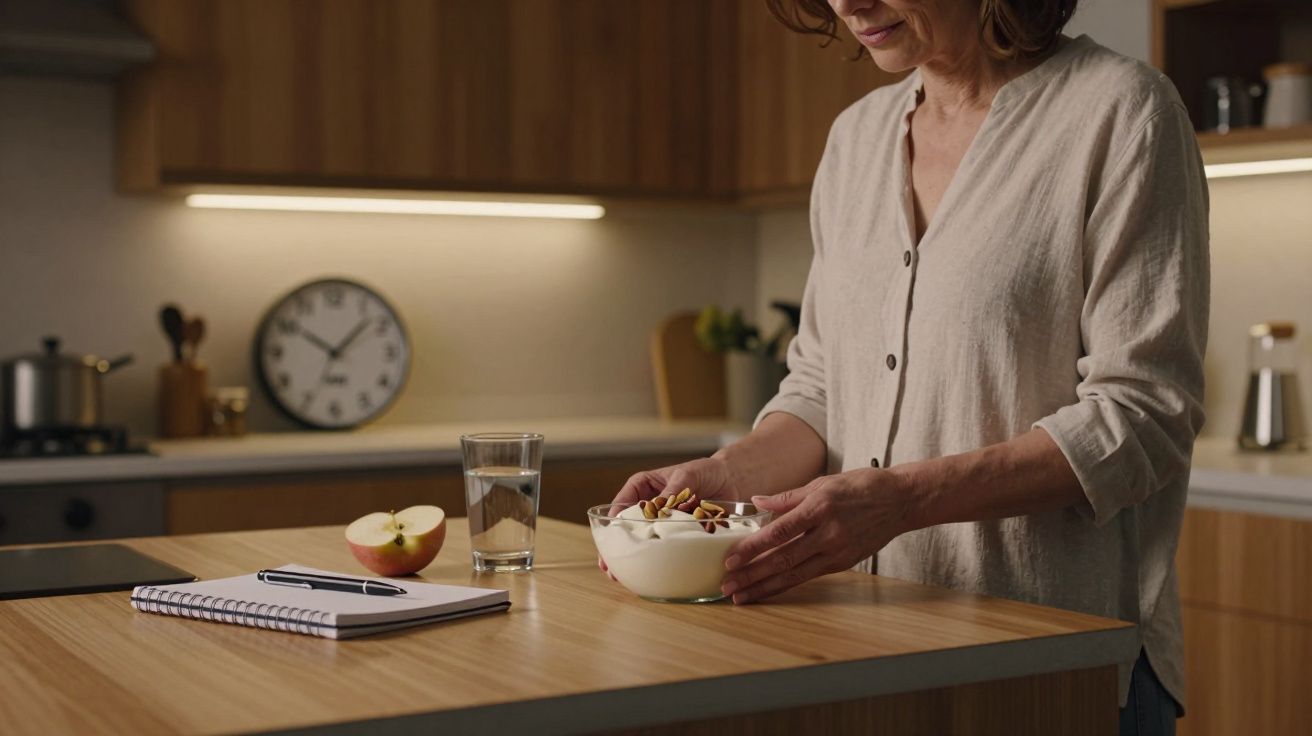
- A small pot of plain Greek yoghurt with a few nuts or seeds
- A slice of wholegrain toast with nut butter
- A handful of almonds and half an apple
- Cottage cheese with a few oatcakes
The logic is simple. A gentle, balanced snack keeps blood sugar on a narrower track through the night, so you avoid both the high peaks that pull water into the bladder and the sharp dips that jolt you awake. Meanwhile, easing off large drinks in the final hours before bed reduces the sheer volume of urine your kidneys need to produce.
“Think of it as rewriting your last hour: less flood, less sugar spike, more slow fuel. Your bladder and your brain both get a quieter night.”
- Best timing: last decent glass of water at dinner; small snack 60–90 minutes before bed if you’re genuinely hungry.
- Best drinks late: sips if you’re thirsty; avoid downing large mugs of herbal tea, squash or milk just before lights out.
- Best snack rule: pair any carbohydrate with protein or healthy fat.
How to test the tweak for a week
You don’t need gadgetry to run a small home experiment. You need seven nights and a bit of honesty.
Daytime:
- Spread your water through the day so you’re not parched by evening.
- Notice caffeine and alcohol; both can increase night-time urine for some people. If you can, keep them away from the last few hours before bed.
Evening:
- Eat dinner at a reasonable hour, with some protein (fish, meat, eggs, beans, tofu) and fibre (vegetables, whole grains).
- If you crave something sweet, have it closer to dinner rather than as a standalone sugar hit late at night - ideally with a little protein alongside.
- After about 8–9pm (or roughly two hours before bed), keep drinks to small sips for comfort, not full glasses.
- If you’re still hungry within an hour of bedtime, choose one small, balanced snack, not a grazing session.
Night:
- Keep a simple note by the bed: time you fall asleep, each time you get up to the toilet, how awake you feel afterwards.
- After a week, look for trends rather than perfection. One bad night does not mean the tweak “doesn’t work”.
If your toilet trips drop from three to one, or you wake feeling less wired and thirsty, your blood sugar may have been more involved than you realised. If nothing changes, it’s even more reason to talk to your GP and look beyond lifestyle.
When a night-time loo habit needs proper checking
Not every midnight trip is ominous. Still, doctors flag some patterns that are worth prompt attention rather than more experiments at home.
Red flags include:
- Needing to pass urine very frequently day and night, with large volumes
- Constant or extreme thirst, dry mouth, or drinking more than 3 litres a day without trying
- Unintended weight loss, blurred vision, repeated infections, genital itching
- Burning, pain or blood when you pee
- Swelling in your ankles, breathlessness at night, or chest discomfort
- Snoring loudly and waking unrefreshed, with morning headaches
Those signs don’t automatically mean diabetes, but they do mean you should book a proper review. A simple blood and urine test can check for high glucose and other causes. A small tweak is helpful; a clear diagnosis is essential.
The deeper story behind a small habit
In a busy life, “adjust your evening routine” can sound like code for becoming a new person. It isn’t. It’s swapping the order and content of things you already do: when you drink, what you snack on, how close to bedtime you cram in sugar and liquid.
That small script sends a quieter message to your kidneys and your brainstem through the night. Your bladder gets less reason to complain. Your hormones get a smoother curve to ride. You still wake up; you just do less of it at 3am in a cold hallway.
Small, repeatable choices often reveal more than one-off tests. If your night improves when your sugar swings calm down, you’ve learnt something valuable about how your body runs. If it doesn’t, you and your GP know it’s time to look further than the fridge.
| Point key | Detail | Why it matters |
|---|---|---|
| Blood sugar drives urine volume | High glucose drags water into urine, boosting night-time trips | Helps you see the loo as a metabolic signal, not just “age” |
| Late sugar + big drinks = restless nights | Peaks and crashes in glucose wake you and fill the bladder | Explains why dessert and herbal tea at 10pm can backfire |
| One simple evening swap helps | Earlier fluids + small protein-rich snack near bedtime | A realistic tweak you can test this week |
FAQ:
- Is waking once a night to pee normal? For many adults, one brief trip can be normal, especially with age or if you’ve had a drink in the evening. A sudden change, or two or more trips every night that leave you exhausted, is worth discussing with a GP.
- Does this mean I definitely have diabetes if I pee a lot at night? No. Diabetes is one possible cause among several. Only blood and urine tests can confirm it. Think of night-time trips as a clue, not a verdict.
- What if I already avoid drinking late and still get up twice? Then the blood-sugar angle, other medical causes, or sleep disorders may be at play. Try the snack tweak for a week; if nothing shifts, book a review rather than pushing on alone.
- Is any “healthy” snack fine before bed? Not quite. Large portions, sugary smoothies or big bowls of fruit can still spike blood sugar. Aim for a modest portion with protein and healthy fat, and minimal added sugar.
- Can this help if I’m already diagnosed with diabetes? For many people, yes, alongside your existing treatment. A steadier evening meal, careful carb portions and a small balanced snack can reduce night-time swings. Always check any major diet change with your diabetes team.


Comments
No comments yet. Be the first to comment!
Leave a Comment