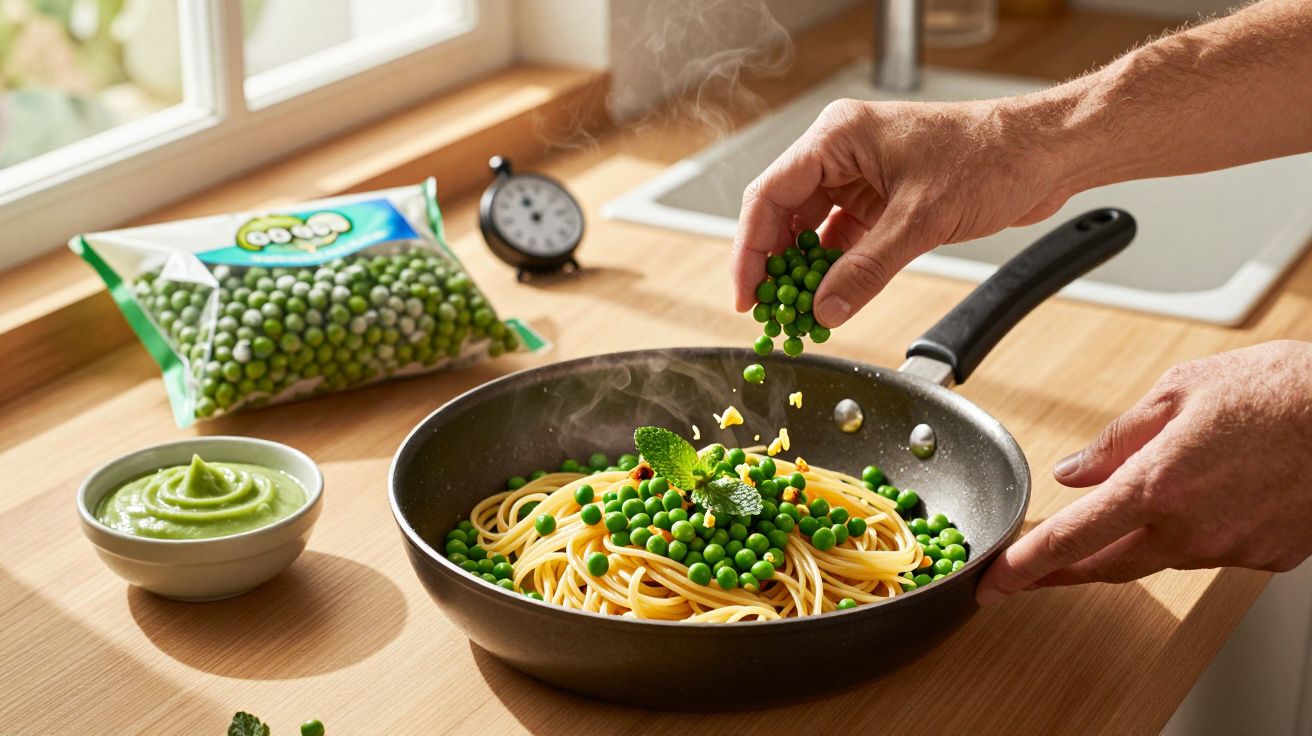
Somewhere between the freezer aisle and the sad side of a roast dinner, peas became a punchline. Yet peas are one of the few vegetables many of us buy weekly, tipping them into pasta, curries and kids’ plates - and with no secondary entity to blame for the result, the responsibility lands squarely on how we cook and deploy them. Get that bit right and they’re sweet, bright and genuinely useful; get it wrong and they turn into green, starchy wallpaper paste.
I used to think I “didn’t like peas”. What I didn’t like was the way they were being used: boiled into surrender, scattered cold for colour, or processed into things that wanted the health halo without the taste.
The real issue isn’t peas - it’s the default settings
The most common pea experience is also the worst one: overcooked, under-seasoned, and served as an obligation. Peas are treated like a side dish that can be ignored until the last minute, then rescued with a frantic five-minute simmer that somehow becomes twelve.
That mismatch matters because peas are delicate. Their sweetness drops the longer they sit in heat, and their skins toughen while the insides go floury. What you end up tasting isn’t “pea”; it’s hot starch and regret.
Peas don’t need “time”. They need timing.
And seasoning. We salt pasta water like the sea, then drop peas into plain water as if flavour is a moral failing.
Frozen peas are not the compromise people think they are
If you’re buying peas out of season, frozen is usually the best version you’ll get. They’re picked and frozen fast, which locks in sweetness, colour and texture. Fresh peas can be incredible, but the clock starts ticking the moment they’re picked - and most supermarket “fresh” peas have lived a longer life than you’d guess.
Frozen peas also fix the one practical problem peas have: they’re small, and they go from perfect to ruined in a narrow window. A bag in the freezer lets you hit that window on purpose.
The 90-second rule (and why it works)
For most meals, peas want heat, not a long boil.
- Tip frozen peas into salted boiling water for 60–90 seconds, then drain.
- Or throw them into a hot pan with butter for 2 minutes, just until they turn glossy.
- Or steam them briefly, then season like you mean it.
If they’re wrinkling, they’re over. If they’ve gone grey-green, you’ve missed the point.
Stop using peas as decoration. Make them part of the dish.
A small handful of peas thrown into everything is how peas get blamed for being “meh”. Used deliberately, they pull their weight: sweetness against salty cheese, freshness against rich meat, colour in beige winter food.
Here are the pairings that actually make sense:
- Peas + mint + lemon: not just for show; the lift cuts through butter and cream.
- Peas + bacon/pancetta: sweetness meets smoke; the pea tastes more like itself.
- Peas + feta or parmesan: salt and umami do the heavy lifting.
- Peas + chilli + garlic: gives pea sweetness somewhere to land.
- Peas + potatoes: but only if you keep texture; mash them together and you’re halfway to baby food.
If peas are the only green thing on the plate, they’ll feel like a token gesture. If they’re doing a job - contrast, sweetness, texture - they stop being optional.
The two pea disasters most kitchens repeat
1) Boiling them to death
People boil peas because that’s what you do with vegetables when you’re not really interested in them. But peas aren’t carrots; they don’t reward patience.
A quick fix: cook peas separately, then add them right at the end. They should be hot and seasoned, not resigned.
2) Turning them into “healthy filler” in everything
This is where peas get culturally annoying. Pea protein, pea flour, pea fibre: they show up in products that want to be high-protein, gluten-free, vegan, low-fat - and sometimes also edible.
None of that is inherently bad. The problem is the way peas are used as an invisible solution, then blamed when the texture goes chalky or the flavour turns oddly sweet-bitter. Peas are not a neutral ingredient; they’re a distinct one. Treating them as blank protein powder sets everyone up to lose.
Better ways to use peas (that don’t taste like compromise)
Make them a sauce, not an afterthought
If you only ever serve peas whole, you’re missing the best trick: peas blend into a vivid, sweet purée that behaves like a sauce.
- Warm peas briefly, then blend with butter or olive oil, lemon, salt, and a spoon of crème fraîche or yoghurt.
- Add mint, basil, or tarragon depending on the meal.
- Spoon under fish, chicken, mushrooms, or roasted veg.
It tastes like spring even when it’s raining sideways outside.
Use them for texture, not bulk
Peas can be a pop of sweetness in otherwise rich food - but only if you protect their bite.
Good uses: - Stir into risotto at the end. - Add to pasta in the last minute of cooking. - Toss through a warm salad with grains, herbs and a sharp dressing.
Bad uses: - Long-simmered stew where they dissolve into sadness. - Baked dishes where they dry out. - Anything where you’re asking peas to impersonate potatoes.
A quick “pea upgrade” checklist
If peas in your house are a frequent disappointment, it’s usually one of these:
- No salt: peas need proper seasoning.
- Too much heat, too long: cook fast and stop.
- Wrong fat: a little butter or olive oil carries flavour.
- No acid: lemon, vinegar or yoghurt makes them taste brighter.
- No contrast: pair with smoke, cheese, herbs or chilli so the sweetness feels intentional.
What to buy: a simple guide
You don’t need a pea ideology. You need the right pea for the job.
| What you’re making | Best choice | Why |
|---|---|---|
| Weeknight pasta, curry, fried rice | Frozen garden peas | Sweet, consistent, fast |
| A pea-forward starter or side | Fresh peas (in season) | Maximum sweetness and bite |
| Purée/soup where texture is blended | Frozen petits pois | Tender, vivid colour |
The point: peas are honest food - treat them honestly
Peas don’t flatter laziness. They won’t sit in a pan for ten minutes while you “sort everything else out”, and they won’t magically taste good without salt, fat and a bit of thought. But when you cook them like a deliberate ingredient - quickly, seasoned well, paired with something that needs their sweetness - they’re one of the easiest wins in the kitchen.
The problem isn’t peas. It’s the way we keep asking them to be invisible, then acting surprised when they taste like nothing.

Comments
No comments yet. Be the first to comment!
Leave a Comment