Steam fogs the kitchen window, a pan of beans bubbles quietly, and someone reaches for limes to make the whole thing taste like it took twice as long. There’s no secondary entity in this story stealing the spotlight, because the point is how one sharp, bright fruit can lift everyday food. Right now, limes matter because they’re doing double duty: saving bland meals and popping up in headlines for supply and price swings.
The surprise is that the lime revival isn’t being driven by cocktails alone. It’s being driven by weeknight cooking, waste-avoidance, and a growing awareness that acidity is a shortcut to flavour when budgets and time are tight.
Why limes are back on the shopping list
Limes have always had a place in drinks, but their real power is what they do to food that’s otherwise a bit flat. A squeeze at the end can make lentils taste meatier, roast veg taste sweeter, and leftovers taste deliberate rather than reheated.
They also fit the way many people cook now: one pan, one bowl, a handful of strong “finishing” ingredients. Lemon can do some of this, but limes bring a greener, more aromatic edge, and their zest plays particularly well with chillies, cumin, coriander, coconut and anything charred.
Think of lime as seasoning, not garnish: it’s salt’s brighter, louder cousin.
The real reason they’re in focus (and it’s not margaritas)
If you’ve noticed limes looking smaller, harder, or oddly expensive, you’re not imagining it. Lime supply is sensitive to weather swings and transport hiccups, and growers can be hit hard by disease pressure and sudden shifts in demand.
That affects what turns up in supermarkets: more variable size, more inconsistent juiciness, and occasional “dry” fruit that looks fine but gives almost nothing when cut. When that happens, home cooks change behaviour fast-buying fewer, using every part, and finding ways to stretch one lime across a whole meal.
A quick “value check” before you buy
You don’t need to squeeze them in the shop, but you can make a decent guess.
- Weight matters: a good lime feels heavy for its size (more juice).
- Skin tells you something: smoother skin often means thinner peel and more juice; very bumpy can mean thicker pith.
- Give matters: a gentle press should feel slightly springy, not rock-hard.
How to get more juice without buying more limes
A lot of “lime disappointment” is technique, not the fruit. Two small steps change the yield immediately.
The two-minute method
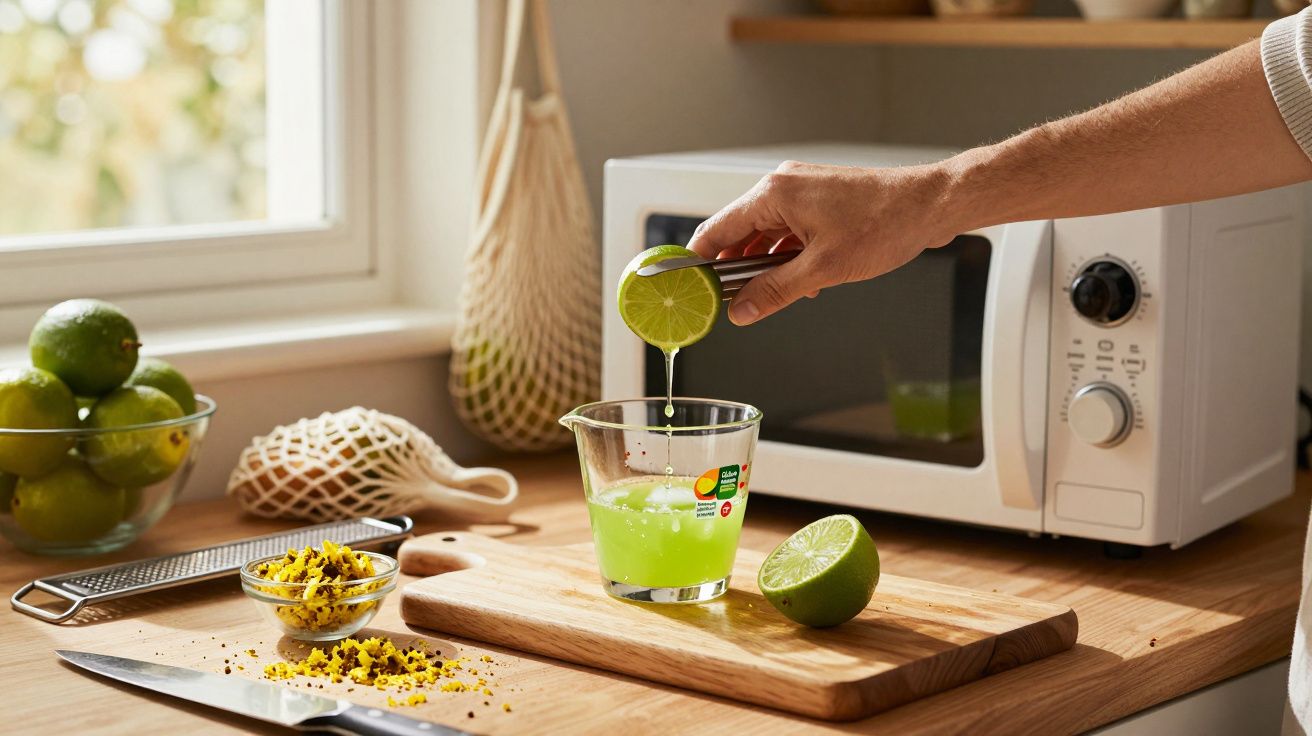
- Warm it briefly: 10–15 seconds in the microwave, or sit it in hot tap water while you chop onions.
- Roll it firmly: press and roll on the counter with your palm before cutting.
Cutting style matters too. If you’re juicing by hand, slice limes lengthways (pole to pole) rather than across the “equator”; many people get a better squeeze that way.
Use the zest like it’s a second ingredient
Zest is where a lot of the lime’s aroma lives, and aroma is what makes “cheap” ingredients taste expensive. Zest first, then juice-always.
Keep it simple:
- Zest over yoghurt, cucumber, and a pinch of salt for a fast dip.
- Zest into mayo for a sandwich sauce that tastes like a deli version.
- Zest into sugar for quick “lime sugar” to finish fruit or biscuits.
Where limes do the most work in everyday cooking
You don’t need a full recipe. You need a few reliable places where lime makes the biggest difference.
| What you’re making | Add lime when… | What it fixes |
|---|---|---|
| Chilli, dal, bean stew | Right at the end, off the heat | Wakes up slow, earthy flavours |
| Traybake fish or chicken | After roasting, before serving | Cuts richness, sharpens herbs |
| Salads and slaws | In the dressing, plus a little zest | Stops “bag salad” tasting tired |
A good rule: if a dish tastes heavy, add lime. If it tastes bland, add lime plus salt. If it tastes “brown”, add lime plus something green (coriander, spring onion, cucumber).
Storage mistakes that quietly ruin them
Limes are hardy, but they’re not immortal. Most people lose them to dehydration rather than mould.
- Short term (a few days): room temperature is fine.
- Longer (1–2 weeks): fridge them in a loose bag or container to slow moisture loss.
- Cut limes: wrap tightly or store cut-side down in an airtight tub.
If you’ve got a glut, juice them and freeze in an ice cube tray. One cube dropped into a curry, a soup, or a glass of sparkling water does the job of a “fresh” squeeze in seconds.
A small safety note people forget
Lime juice on skin plus sunlight can cause a burn-like reaction (phytophotodermatitis). It’s most common in summer when people squeeze limes outdoors, then stay in the sun.
Wash your hands after juicing, especially before gardening, sunbathing, or driving with one arm in bright light.
The quiet takeaway: limes are a strategy
In a winter of beige meals and stretched budgets, limes are a practical way to make simple food taste intentional. They’re also a reminder that tiny ingredients can carry a meal when everything else is just “fine”.
Buy fewer, pick better, use the zest, and treat the squeeze at the end like the final seasoning step. That’s how limes earn their place again-without needing a cocktail shaker.
FAQ:
- Are limes healthier than lemons? They’re broadly similar; both offer vitamin C and helpful plant compounds. The bigger difference is flavour: lime is sharper and more aromatic in many savoury dishes.
- Can I substitute bottled lime juice? You can for marinades and cooking, but it often tastes flatter. If you do, add a little fresh zest (or even a strip of lime peel steeped briefly) to bring back aroma.
- Why are my limes dry inside? Usually dehydration from age or storage conditions, or natural variability in the crop. Choose heavier fruit, store properly, and warm/roll before juicing.
- Can I freeze whole limes? Yes, but the texture goes soft when thawed. They’re best frozen for juice and zest rather than for neat wedges.




Comments
No comments yet. Be the first to comment!
Leave a Comment