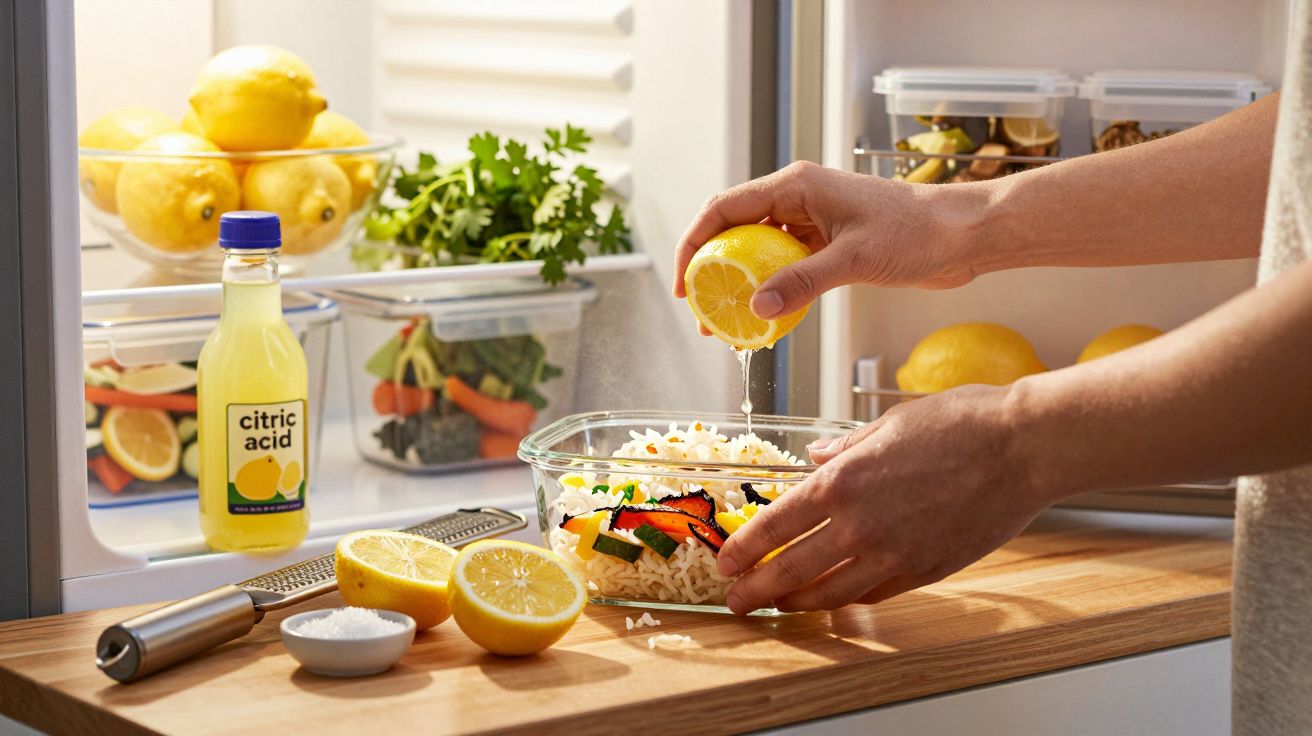
A bowl of lemons has crept back on to kitchen counters across the UK, and not because we’ve suddenly remembered vitamin C. Lemons are being used in cooking, cleaning and even in “use-up” routines - with no secondary ingredient at all - because they’re one of the few fresh items that can pull double duty when budgets and food waste both feel tight. That matters for readers who want a cheaper shop, a calmer kitchen, and fewer half-used bottles under the sink.
I noticed it the way you notice most household shifts: by accident, in the middle of an ordinary week. One lemon became three, then a net, then a habit - not for lemon drizzle cake, but because I kept reaching for one to fix small problems fast.
The quiet reason lemons are trending again
It’s easy to frame lemons as a wellness cliché. The reality is more practical (and a bit boring, which is why it’s real): lemons are being treated like a small household tool.
When prices jump, we stop buying “single-purpose” things first. A lemon can brighten a pasta, rescue a bland soup, stop an apple browning, and make a cheap pudding taste intentional. It also smells “clean” in a way that makes a kitchen feel reset, even when you’re not doing a deep clean.
That combination is powerful in a cost-of-living era: one item, multiple jobs, minimal decision-making.
A lemon isn’t a miracle. It’s a shortcut - flavour, scent, and acidity in one place.
Where lemons actually earn their keep (and where they don’t)
In cooking: acidity is the missing ingredient most weeknights
Most home meals don’t fail because you forgot a spice. They fail because they’re flat. Lemon juice fixes that faster than almost anything else.
A squeeze at the end does three things at once: it lifts saltiness, balances fat, and adds a fresh top note that makes leftovers taste newly cooked. Zest does something different - aromatic, perfumed, more “baked” - which is why one lemon can stretch across several meals if you use both.
Try it in the dullest places first:
- Lentil soup, bean stew, split pea anything (lemon at the end, not the start)
- Traybake veg with olive oil (zest before roasting, juice after)
- Tinned tuna mayo (a little zest makes it taste less “tin”)
- Greek yoghurt with honey (a few drops of lemon reads as “dessert”, not “snack”)
In cleaning: the vibe is real, the science is mixed
Lemon has genuine usefulness in the kitchen, but it’s often oversold as a cleaner. Acid helps with some jobs, and the smell signals “fresh”, yet it won’t replace proper disinfectant where hygiene matters.
Use lemons for:
- Deodorising hands after garlic or fish (salt + lemon rub, then rinse)
- Lifting limescale haze on taps (brief contact, then rinse well)
- De-gunking a wooden chopping board (coarse salt + lemon, then dry)
Be cautious with:
- Natural stone (marble, limestone) - lemon acid can etch and dull it
- Cast iron and carbon steel - acid + time can encourage rust
- Anything you actually need disinfected (raw chicken areas, for example)
If you want the “lemon clean” feeling without treating it like a chemical, think of it as a finisher: wipe, rinse, then lemon-scent the space.
The new lemon habit: buying them for optionality, not recipes
The shift isn’t just what we do with lemons - it’s how we plan around them. People used to buy lemons for specific dishes. Now they’re being used as a flexible back-up: the thing that makes “whatever’s in the fridge” taste like a plan.
That’s why lemons show up in those small, slightly smug kitchen routines:
- “I’ll make this salad taste better with lemon.”
- “I’ll salvage these soft strawberries with lemon and sugar.”
- “I’ll turn leftover rice into something fried-and-bright.”
It’s not romance. It’s control. A lemon is a way to stop a meal feeling like compromise.
The five-minute “lemon reset” that makes leftovers feel new
This is the one I keep repeating because it’s fast enough to do on a tired Tuesday:
- Warm leftovers (pasta, rice, roast veg, chicken) until properly hot.
- Add fat (olive oil, butter, tahini, yoghurt - whatever fits).
- Add salt, then lemon juice to taste.
- Finish with something crunchy (toast crumbs, nuts, sliced onion, cucumber).
- If you have it, add zest right at the end.
It’s not cheffy. It’s just the basic structure of “freshness” - fat, salt, acid, texture.
The small economics of lemons: fresh vs bottled vs “citric acid everything”
A fresh lemon looks cheap until you compare it to how people actually use it. Many households buy lemons, use half, then find the other half fossilising in the fridge drawer next to the sad coriander.
The trick is to stop treating the lemon as a one-time squeeze. Use the whole thing across the week.
Here’s a simple way to think about it:
| Option | Best for | Watch-outs |
|---|---|---|
| Fresh lemons | Zest + juice, cooking finish, salads | Go mouldy if you forget them |
| Bottled lemon juice | Consistent acidity in cooking | No zest, flatter flavour |
| Citric acid (powder) | Descaling, controlled acidity | Not a lemon flavour substitute |
If you only want acidity, bottled juice (or citric acid for cleaning jobs) can be better value and less waste. If you want flavour, fresh wins - but only if you use zest and juice, not one or the other.
How to make lemons last longer without becoming weird about it
Lemons feel like they “should” last, which is why they’re so annoying when they don’t. The goal isn’t perfection; it’s fewer squishy surprises.
A few habits that actually help:
- Keep them in the fridge if you won’t use them within a few days.
- Once cut, store cut-side down in a small container (less drying, less fridge smell).
- Zest first, then juice. If you forget and cut it, you lose the easiest flavour upgrade.
- Freeze juice in an ice-cube tray for cooking.
- Freeze zest (or grate directly into a bag and shake it loose later).
The freezer move is the one that turns lemons from “aspirational” to genuinely useful. It means you can buy a net when they’re decent and not feel punished for it later.
The cheapest lemon is the one you actually finish.
What to do with “too many” lemons (so they don’t become guilt)
When you realise you’ve overbought - which happens to everyone - aim for one quick conversion that locks in value.
Three low-effort options:
- Lemon sugar: Rub zest into sugar, store it, use it in porridge or baking.
- Quick lemon pickle: Thin slices + salt + a little sugar, 30 minutes; use on fish, grains, sandwiches.
- Lemon syrup: Simmer juice with sugar and a splash of water; adds “restaurant” energy to fruit, yoghurt, iced tea.
None of these are life-changing. They’re just ways to turn a bag of “I’ll probably use them” into something you definitely will.
The real takeaway: lemons are a strategy, not a flavour
Lemons are back in focus because they make everyday food feel less repetitive and everyday kitchens feel less chaotic. They’re a small purchase that reduces the number of other purchases you feel you need - extra sauces, extra cleaning sprays, extra “something to make this taste of anything”.
Not everyone needs a permanent bowl of them. But if you’re trying to eat what you buy, waste less, and make basic meals feel finished, lemons are one of the simplest tools you can keep around.
FAQ:
- Do lemons actually disinfect surfaces? Not reliably. Lemon juice can help remove odours and some residue, but it’s not a substitute for proper disinfectant where hygiene matters.
- Is bottled lemon juice “as good” as fresh? For acidity in cooking, often yes. For flavour and aroma, fresh is better because you get zest and a brighter taste.
- How do I stop half a lemon drying out in the fridge? Store it cut-side down in a small sealed container, or wrap it tightly. Better still: juice it and freeze the juice in cubes.




Comments
No comments yet. Be the first to comment!
Leave a Comment