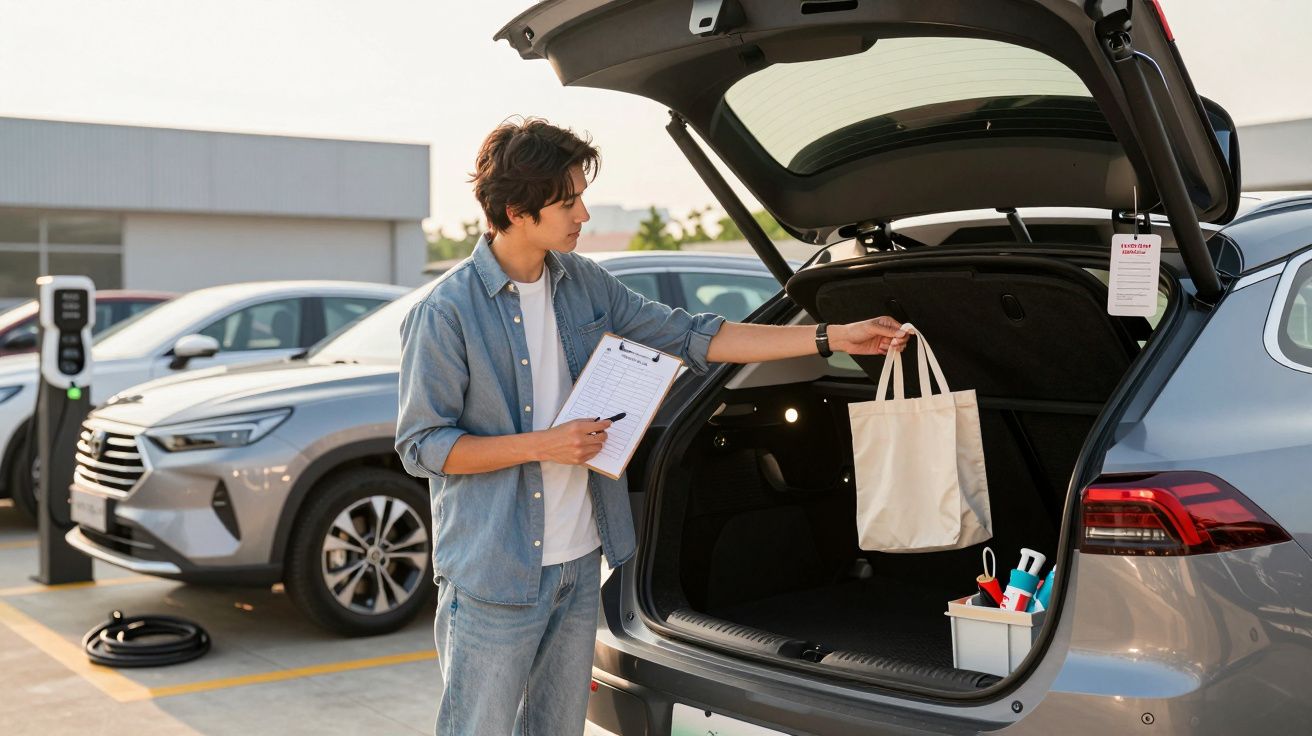
The change is easiest to spot in a supermarket car park on a wet Tuesday, not at a motor show. A škoda sits there doing the job of a “proper family car” with almost no drama, and with no obvious secondary entity to blame or credit for the shift. That’s exactly why it matters: it’s a clear signal of how mainstream buyers are rewriting what “good” looks like in 2025.
For a long time, the story around value brands was simple: cheaper in, cheaper out. Now the mood is different. People still want a sensible monthly payment, but they also want the cabin to feel calm, the tech to work, and the car to age well.
The bigger trend isn’t “Skoda getting better”. It’s buyers getting pickier.
When people talk about Škoda’s rise, they often frame it as a brand glow‑up. Better design, better interiors, better kit. All true, but it’s only half the picture.
The bigger shift is that buyers have stopped treating cars like a single big purchase and started treating them like a long, stressful commitment. If you’re signing up to four years of finance, you’re not chasing the cheapest badge. You’re chasing the least regret.
The new definition of value isn’t “the lowest price”. It’s “the fewest compromises you’ll notice every day”.
That mindset makes a brand like Škoda unusually well placed. It’s not selling fantasy. It’s selling relief.
Why “value” now means something different than it did ten years ago
The word value used to mean trim levels, discounts, and whether you could get metallic paint thrown in. Now it’s a bundle of small, practical wins that make a car easier to live with.
You can see the new checklist in how people talk about cars in group chats and forums:
- Does it have enough space in the back without being a bus?
- Is the infotainment stable, or will it annoy me every morning?
- Can I get decent headlights and driver aids without stepping into luxury pricing?
- Will it feel tired after two winters of school runs and motorway spray?
- Is the dealer experience tolerable when something goes wrong?
This is where Škoda’s “quiet competence” becomes a product feature, not just a reputation. It’s also where the wider market is heading: less flash, more friction‑reduction.
The platform era is making badges blur - and Škoda benefits from that
One reason Škoda fits this moment is structural, not emotional. Modern car groups share platforms, engines, electronics and safety systems across multiple brands. That means big chunks of “how good the car is” are no longer exclusive to the premium badge.
In plain terms: the floorpan, the driver aids, the crash structure, the hybrid bits - they’re often cousins. What changes is the positioning, the materials, the software polish, and the pricing strategy.
Škoda’s role in that ecosystem is unusually clear. It’s often the brand that takes the group’s core engineering and turns it into a package that feels generous rather than guarded. More usable storage, more standard kit, more of the features people actually touch.
The “Simply Clever” effect is bigger than cupholders
It’s easy to mock brand slogans until you live with the details. In a world where cars are increasingly complex and screen‑driven, tangible little conveniences land harder than they used to.
Small touches become a kind of anti‑anxiety design:
- logical storage that doesn’t require a tutorial
- physical controls where they matter (or at least shortcuts that make sense)
- boot space that’s genuinely square and usable
- cabins designed around people carrying bags, coats, and clutter
The bigger trend here is subtle: people are moving away from aspirational features and back towards everyday functionality. Škoda has been building for that buyer for years, and the market is finally rewarding it.
The real competitor isn’t another brand. It’s the feeling of being overcharged.
There’s a specific modern frustration that’s hard to unsee once you notice it: paying more doesn’t reliably buy less hassle. In fact, paying more can sometimes buy new hassles - bigger wheels you’re scared of kerbing, complicated tech that needs updates, and “features” that look good on a brochure but don’t help on the school run.
Škoda’s sweet spot is not bargain hunting. It’s the moment a buyer thinks, I can afford more, but I don’t want to feel taken for a ride.
That sentiment is spreading beyond cars. You see it in phones, holidays, even groceries: people are more suspicious of price gaps that don’t translate into lived improvements. The product that wins is the one that feels honest.
How Škoda maps neatly onto three fast-moving market shifts
You can pin Škoda’s momentum to a few overlapping trends that are changing the whole industry, not just one brand.
| Trend | What it looks like | Why Škoda fits |
|---|---|---|
| Sensible premium | Comfort and quality without “status pricing” | Upscale feel, restrained image |
| Feature fatigue | Less wow, more usability | Practical design, clear value |
| Finance-first buying | Monthly cost shapes the shortlist | Strong spec for the money |
None of these trends require a cult following. They require a large number of people making slightly more cautious decisions at the same time.
The EV transition is forcing a new kind of pragmatism
Even for drivers who aren’t ready to go fully electric, the EV era changes expectations. People are now comparing cars on:
- efficiency and running costs
- software updates and screen performance
- reliability of charging networks (even if “for later”)
- how well the car holds value in an uncertain market
That uncertainty pushes buyers towards brands that feel low-risk. Škoda’s mainstream positioning can actually be an advantage here: it feels less like a leap. You’re not buying a statement; you’re buying a tool.
And in the background, there’s a bigger social shift: drivers are more willing to admit they don’t care about impressing strangers. They care about not getting caught out by range estimates, broken apps, or expensive repairs.
What this says about where the whole market is going
The surprise isn’t that Škoda can make good cars. The surprise is how many people now want the same thing Škoda has always been good at: straightforward competence with a hint of comfort.
If you zoom out, it points to a market that’s splitting in two:
- At the top: expensive tech-forward cars sold as lifestyle products.
- In the middle: carefully priced cars that win by being easy to own.
- At the bottom: stripped-back options fighting on monthly cost alone.
Škoda’s strength is that it can live in the middle without feeling like the compromise. That’s the bigger trend “no one expected”: the centre of the market is becoming the most emotionally loaded place to compete, because it’s where people are most afraid of making the wrong call.
A simple way to tell if this trend is affecting you
If you find yourself doing any of these, you’re already in the same current that’s lifting Škoda:
- prioritising a calm cabin over a flashy badge
- paying more attention to standard equipment than engine stats
- reading reliability threads before watching review videos
- choosing the car that feels “least annoying” over the one that feels exciting
It’s not a loss of passion. It’s a shift in what counts as a win.
FAQ:
- Is Škoda becoming a premium brand? Not in the traditional “luxury badge” sense. The bigger shift is that mainstream buyers now expect near-premium comfort and tech without near-premium pricing.
- Why do Škodas feel more competitive lately? Shared modern platforms raise the baseline of safety and refinement across car groups, and Škoda tends to package that baseline with strong standard spec and practical design.
- What’s the bigger trend behind Škoda’s popularity? “Value” is being redefined as low regret: usable space, dependable tech, sensible running costs, and fewer daily irritations-especially for finance-driven buyers.



Comments
No comments yet. Be the first to comment!
Leave a Comment