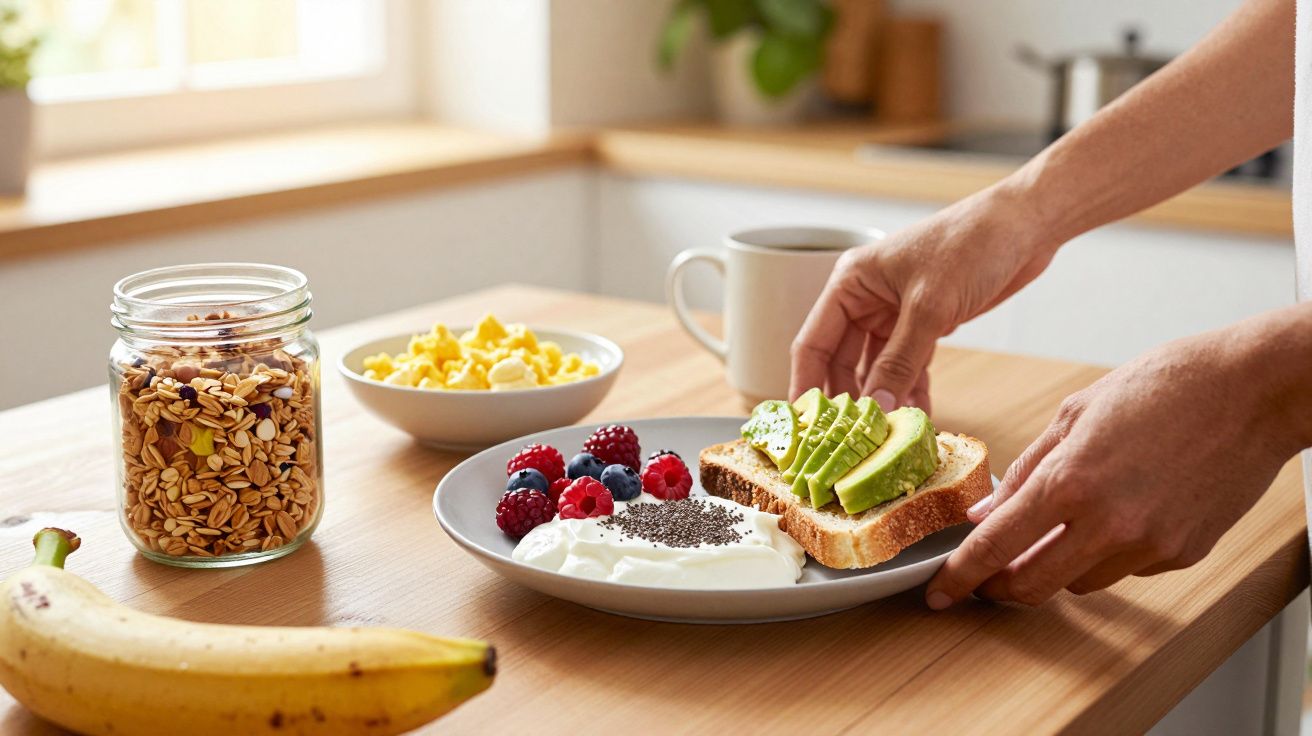
Most people blame their mid‑morning slump on willpower, but nutrition experts say the real problem is a small, repeatable breakfast mistake hiding in plain sight. According to `` and ``, it shows up in how we build the meal (or skip it entirely), and it quietly drives cravings, energy dips and “snack o’clock” decisions later on. Fixing it doesn’t require a cleanse or a brand‑new routine, just a different order of priorities on the plate.
You can spot it in the most common weekday breakfasts: a bowl of cereal, a pastry on the go, toast with jam, or just coffee until lunchtime. They feel light and practical, yet they often behave like a sugar spike followed by a crash.
The hidden mistake experts keep seeing
The mistake isn’t simply “skipping breakfast” or “eating carbs”. It’s building breakfast around quick‑digesting carbohydrates, with too little protein and fibre, then expecting steady energy anyway.
That combo digests fast, raises blood glucose quickly, and tends to leave you hungrier sooner. By late morning, you’re not “weak”; you’re responding to a predictable drop that pushes you towards biscuits, another coffee, or a larger lunch than you planned.
A steady breakfast is less about being perfect and more about giving your body a slower burn: protein + fibre + a bit of healthy fat.
Why it happens (even if your breakfast looks “healthy”)
Some breakfasts have a health halo in the UK because they’re familiar and marketed well. But when you look closely, they can be mostly starch and sugar with minimal staying power.
Common culprits include:
- Many boxed cereals (even “wholegrain” ones) without protein alongside
- White toast or bagels with a sweet topping
- Fruit on its own (nutritious, but often not filling enough solo)
- Coffee first, food later, then a rushed snack to catch up
Even a bowl of porridge can fall into this trap if it’s made with water and topped with honey and fruit, but no protein source. It’s warm and wholesome, yet it may not hold you for long.
The three signs your breakfast is setting you up to snack
You don’t need a glucose monitor to see the pattern. Experts say these are the everyday clues:
- You feel hungry again within 90–120 minutes, even after a “normal” portion.
- You get irritable, foggy or shaky before lunch, especially on busy mornings.
- You crave sweet, quick foods, not because you “love sugar”, but because you’re under-fuelled.
If this is you most weekdays, the fix usually isn’t to eat less. It’s to eat a smarter mix.
The simple breakfast formula that prevents the crash
Think of breakfast as a small anchor meal, not a sugar starter.
Aim for:
- Protein (20–30g if you can): helps fullness and steadier energy
- Fibre (at least 5–8g): slows digestion and supports gut health
- Colour (fruit or veg): micronutrients and more fibre
- A bit of fat: helps satisfaction and keeps you from feeling “unfinished”
You don’t have to hit numbers perfectly. The point is that something in the meal should take longer to digest than a slice of toast.
Easy swaps that keep the same vibe
If you like your current breakfast and don’t want a whole new identity, keep the base and add what it’s missing.
| Current habit | Why it backfires | Better in the same lane |
|---|---|---|
| Cereal only | Fast carbs, low protein | Add Greek yoghurt or milk + nuts/seeds |
| Toast with jam | Low fibre/protein | Add eggs, cottage cheese, or peanut butter |
| Porridge + honey | Still carb-heavy | Stir in protein yoghurt, milk, chia, or nut butter |
“But I’m not hungry in the morning” - what experts suggest instead
A lot of people genuinely don’t feel like food early on, especially if stress is high or sleep is short. Forcing a big breakfast can backfire, but going from nothing to a biscuit at 11am isn’t ideal either.
A middle option is a light, protein‑forward starter that’s easy to tolerate:
- A small yoghurt pot (ideally Greek-style) with berries
- A boiled egg and a piece of fruit
- A milky coffee plus a handful of nuts
- Half a sandwich or wrap with cheese/hummus
If your appetite arrives later, plan for it: bring something that isn’t just sugar and caffeine.
The coffee timing issue nobody connects to breakfast
Another “hidden” part of the mistake is using coffee as a stand‑in for breakfast. Caffeine can blunt appetite, then hunger rebounds later when you’re busy and options are poor.
For people who notice jitters or nausea, coffee on an empty stomach can also feel harsh. Experts often suggest pairing your first coffee with some food, even if it’s small, and keeping hydration in mind.
This isn’t about banning coffee. It’s about not letting it replace the only meal that could stabilise your morning.
Five breakfasts that actually hold you (without being a project)
These are built to be realistic on a working day, with minimal cooking and ingredients you can find in any supermarket.
- Greek yoghurt + berries + oats + nuts (prep in 2 minutes)
- Eggs on wholemeal toast + tomato or spinach (quick savoury option)
- Overnight oats made with milk + chia + yoghurt (more protein, more fibre)
- Cottage cheese on toast + cucumber + pepper (surprisingly filling)
- Leftovers (yes): chicken, veg and rice beats a “breakfast” bar for steadiness
If you prefer sweet flavours, keep them - just add structure. Fruit is excellent, but fruit + protein works better than fruit alone.
A quick reality check: breakfast isn’t mandatory, but balance is
Some people feel great with a later first meal, especially if they naturally prefer a brunch pattern. Experts are generally less concerned about the clock and more concerned about what your first meal is made of.
If your first meal (whether at 7am or 11am) is mostly refined carbohydrate, the same cycle can show up: spike, crash, snack, repeat. If it contains protein and fibre, the day usually feels calmer.
FAQ:
- Is cereal always a bad breakfast? No. It’s often the portion and pairing that matter. Choose higher-fibre cereal and add protein (milk, yoghurt) plus nuts or seeds.
- What’s the easiest way to add protein at breakfast? Greek yoghurt, eggs, cottage cheese, milk, kefir, or a small portion of leftovers are the lowest-effort options.
- If I’m trying to lose weight, shouldn’t I keep breakfast light? Light can be fine, but “light and balanced” works better than “light and sugary”. Protein and fibre tend to reduce later snacking.
- Does porridge keep you full? It can, especially when made with milk and topped with chia, nuts, or yoghurt. Plain oats with sweet toppings only may wear off quickly.
- What if I can’t eat early due to nausea or stress? Start smaller: a few bites of yoghurt, an egg, or a milky drink with food. The goal is to avoid running on caffeine alone until hunger hits hard later.




Comments
No comments yet. Be the first to comment!
Leave a Comment